1 min read
Duolingo's owl didn't go viral by accident
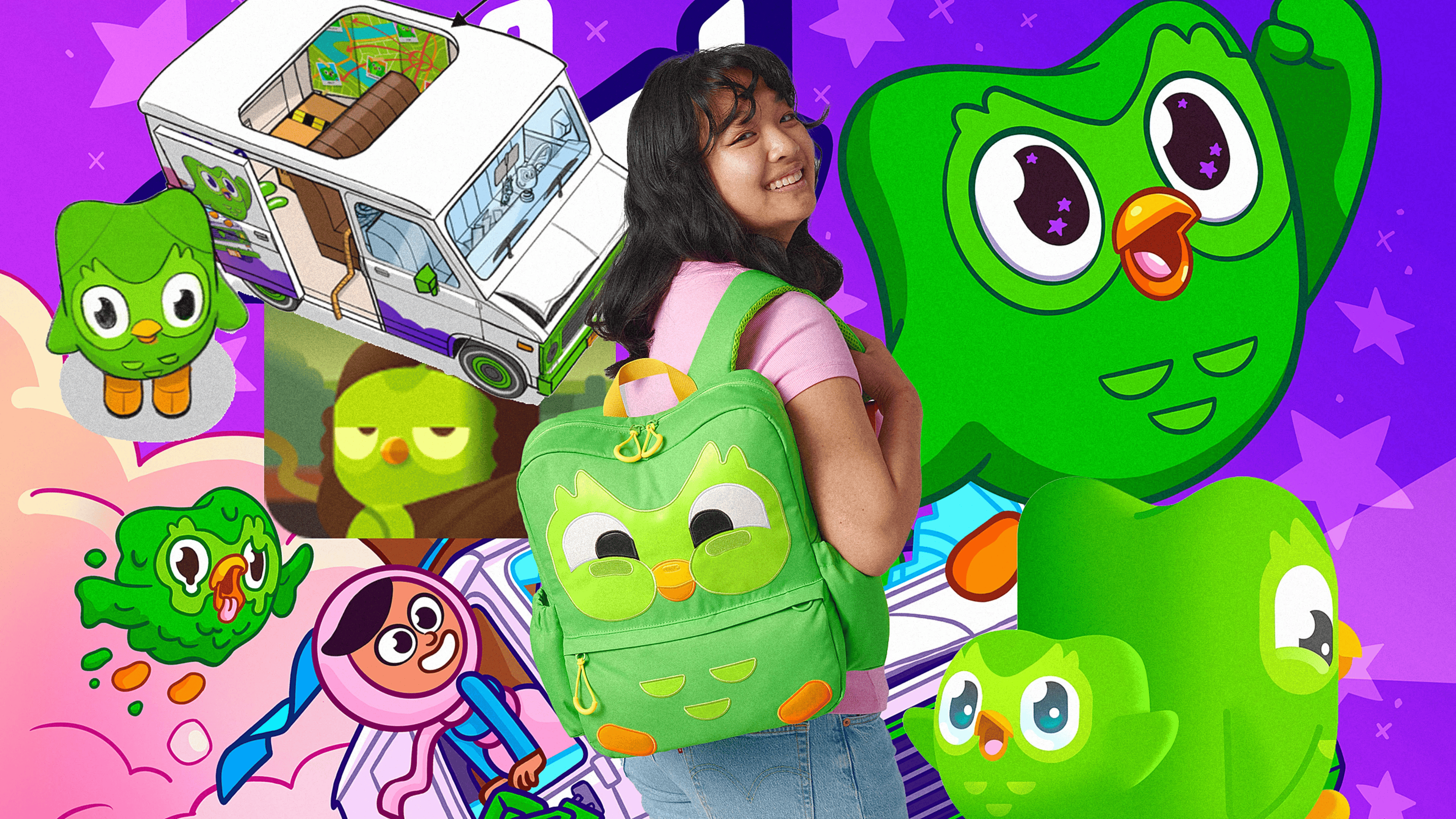
In 2011, Duolingo launched with a green owl as its app icon. It was cute enough. Friendly. Forgettable. Just a little bird sitting on top of a language learning app, doing its job as a logo mark.
Nobody at the company was thinking about mascot strategy. They were thinking about gamification loops and spaced repetition. The owl was just a nice visual. It had a name, Duo, but it didn’t have a voice.
That changed slowly, then all at once.
The Personality Shift
Around 2019, Duolingo’s social team started experimenting. They gave Duo opinions. They gave it passive-aggressive push notifications. “These reminders don’t seem to be working. We’ll stop sending them,” became a meme format that spread far beyond the app’s user base.
The owl went from brand mark to cultural figure. People who had never downloaded Duolingo knew who Duo was and what it wanted from them.
The TikTok Explosion
Duolingo’s TikTok account leaned all the way in. They put someone in an owl suit and let them do unhinged things. The character chased employees. It had crushes on celebrities. It made threats about your streak.
None of this was in a brand guidelines document somewhere. It emerged from a team that understood something important: a character is only as good as the stories people tell about it.
What Designers Can Learn
Duo didn’t start as a mascot. It started as an icon that evolved into something more because the team kept investing in its personality. The design barely changed. What changed was the behavior, the voice, the willingness to let the character have opinions that surprised people.
Most companies would have kept the owl polite and on-brand. Duolingo let it be weird, and that weirdness is exactly what made millions of people form a genuine emotional connection with a language learning app.
The lesson isn’t “make your mascot unhinged.” The lesson is that a character’s personality matters more than its design, and that personality has to be allowed to evolve.