5 min read
Asana quietly built a mascot army and nobody talks about it
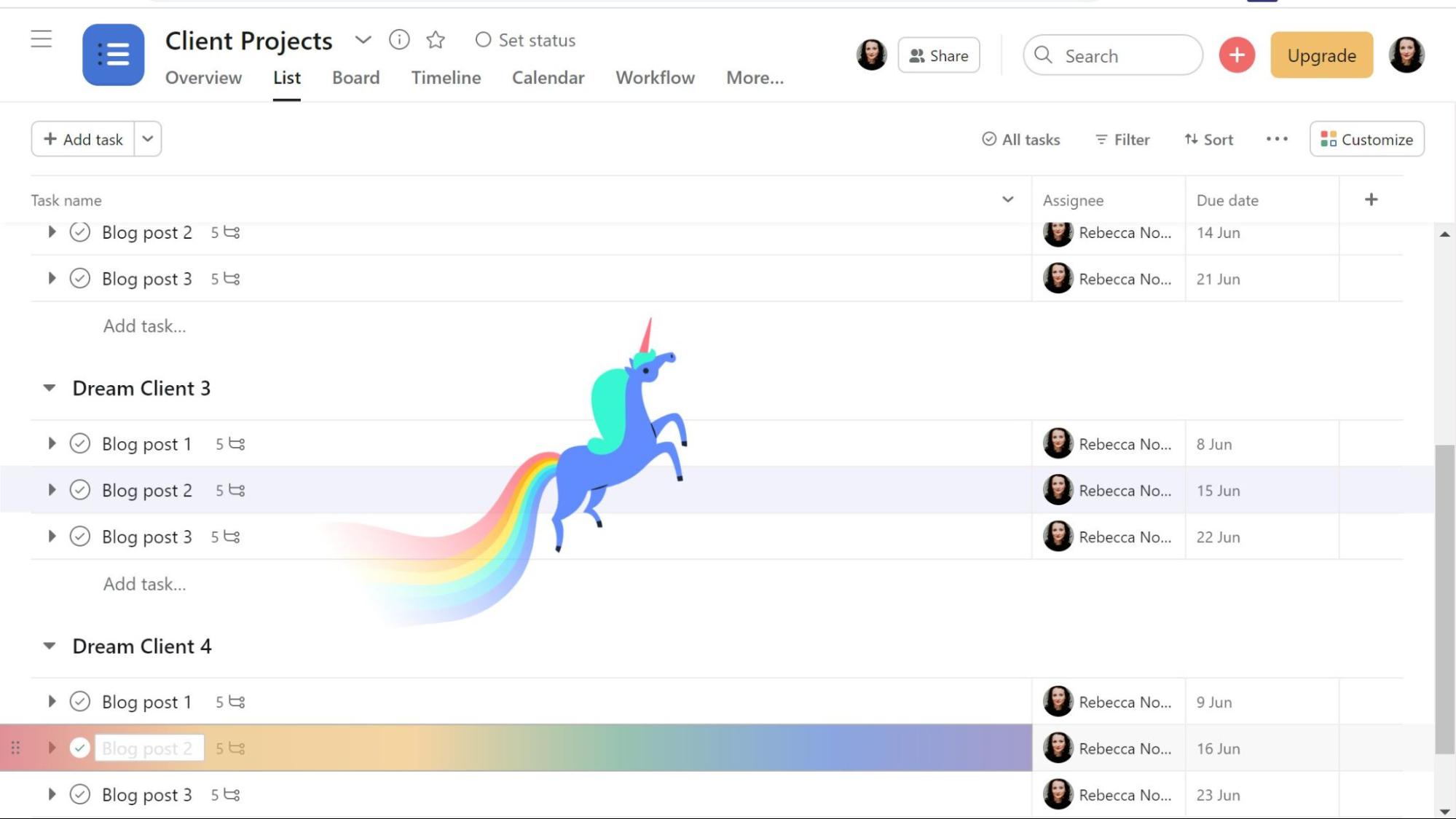
Asana figured out something the rest of the project management category missed: if you want people to actually use your tool, make it feel good to finish things.
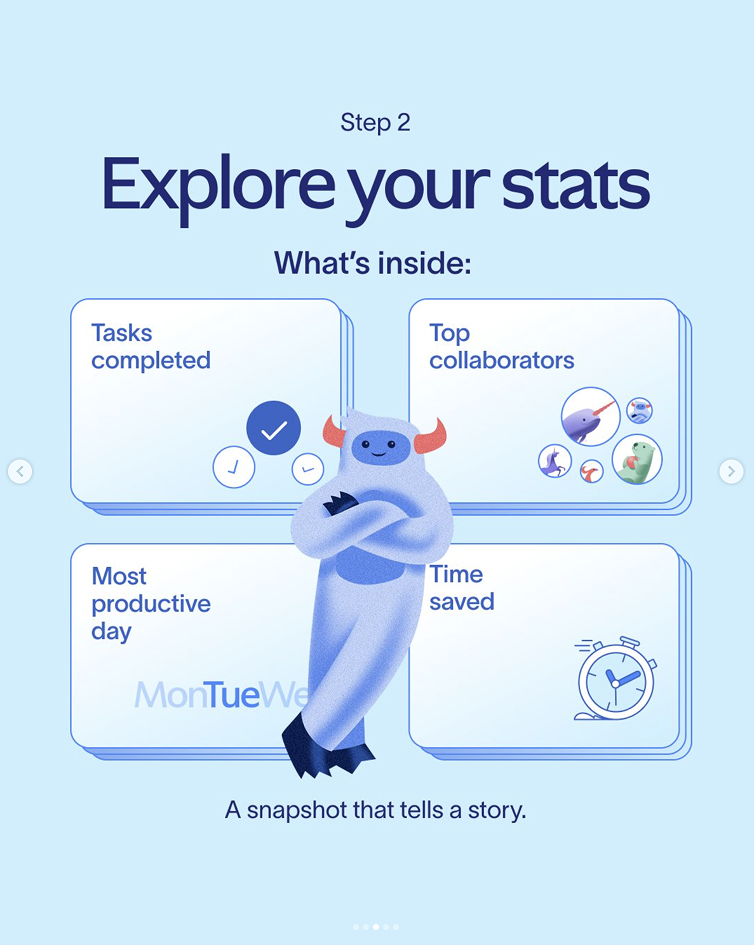
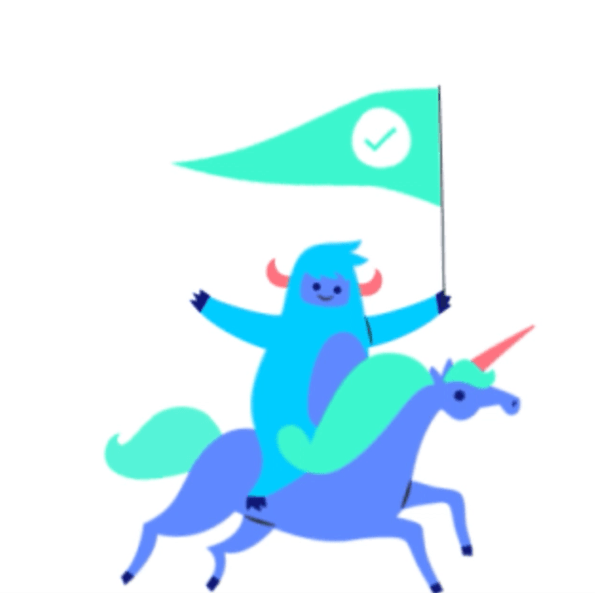
When you complete a task in Asana, a creature flies across your screen. A unicorn trailing a rainbow. A yeti doing a little dance. A narwhal zipping past. It’s tiny. It doesn’t interrupt your workflow. But it makes finishing something feel like it counted. And after thousands of completions, you start to have genuine affection for these things.
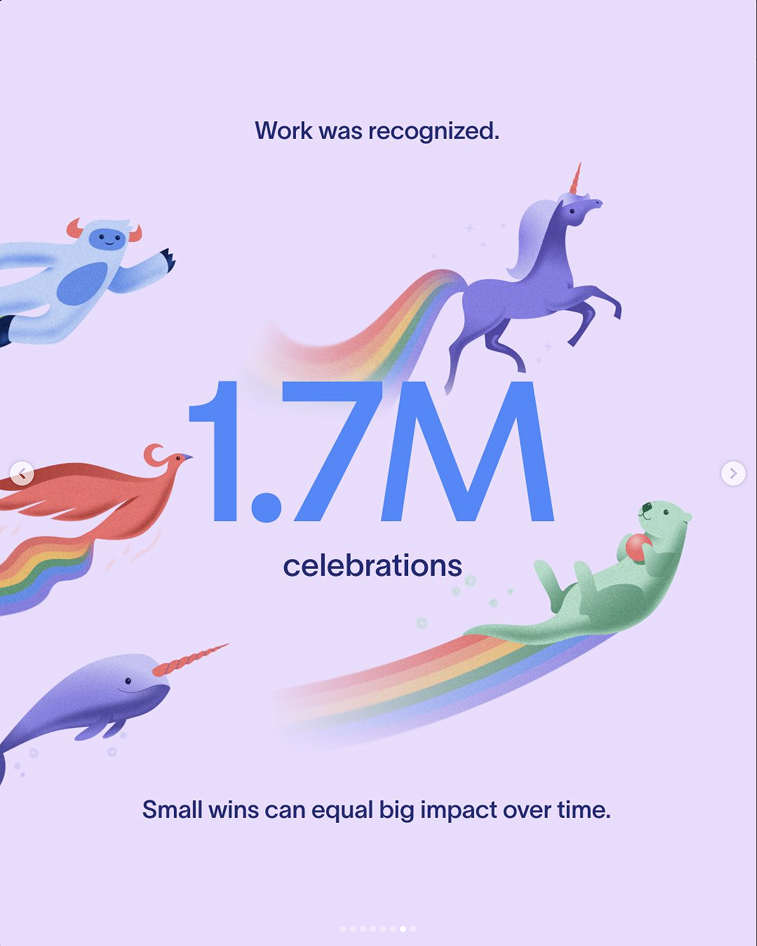
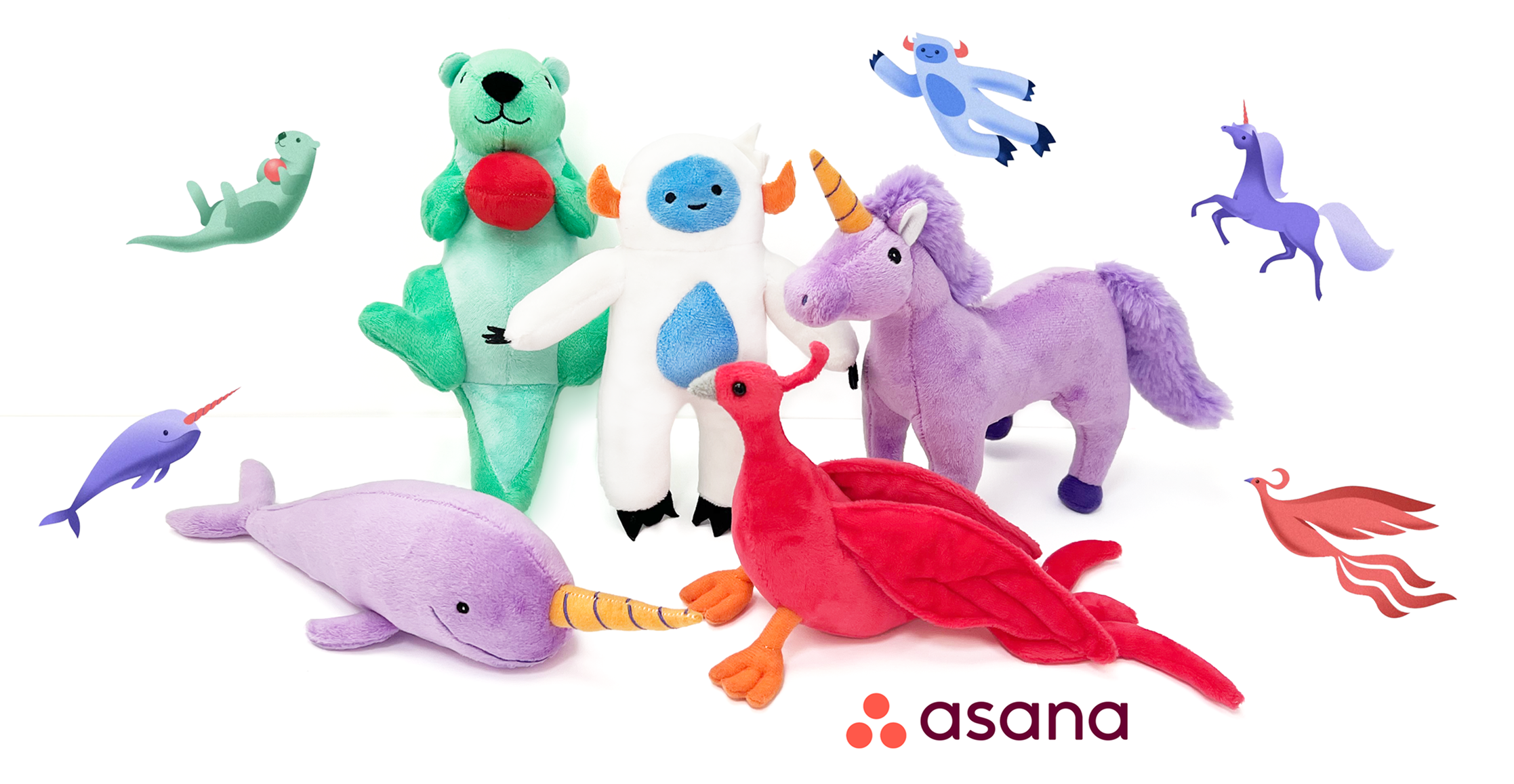
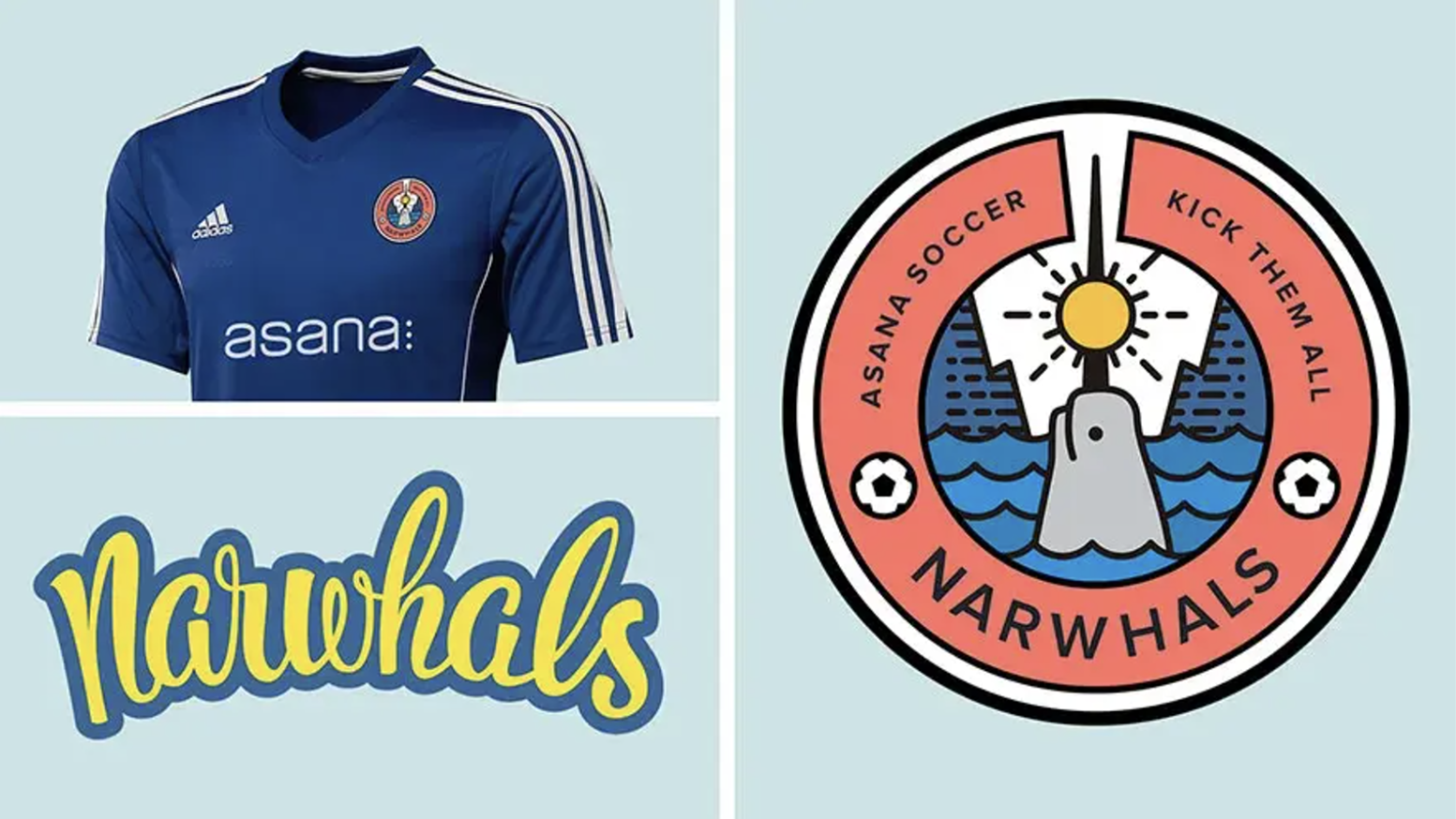
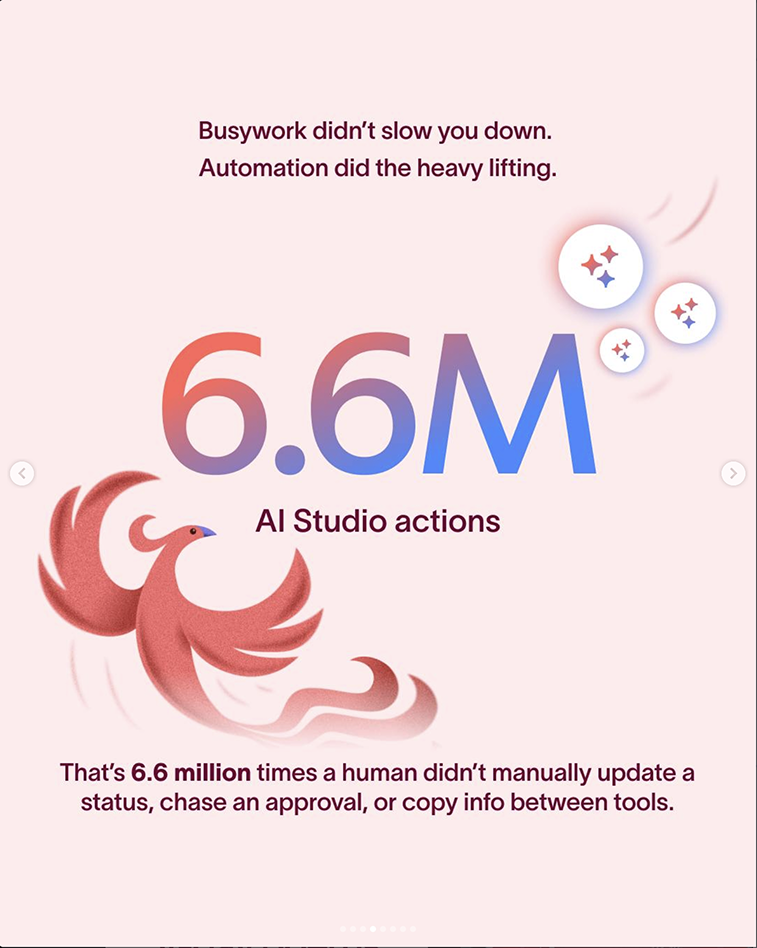
That emotional hook is real. 1.7 million celebrations in a single year. Employees naming their soccer team the Narwhals. Plushies that actually stay on desks instead of ending up in drawers. The creatures mean something to the people who use Asana every day.
The problem
The creatures are beloved. But they’re frozen.
Each one has a distinct look and a distinct movement. But that’s about it. They don’t have names. They don’t have backstories. They don’t have relationships with each other. You know the yeti is blue and the unicorn is purple, but you don’t know what the yeti thinks about the unicorn. There’s no world. Just a roster of colorful things that fly across your screen.
This matters because the difference between a mascot system and a character system is depth. Mascots show up. Characters live somewhere. Right now, Asana’s creatures show up. They celebrate your wins. Then they disappear until the next one. There’s no connective tissue between appearances.
Compare this to Duolingo. Duo has opinions. Duo gets jealous. Duo has a personality that exists whether or not you’re looking at it. Asana’s creatures are visually stronger than Duo, but they’re emotionally thinner. They’re designed to be seen, not known.
The social problem
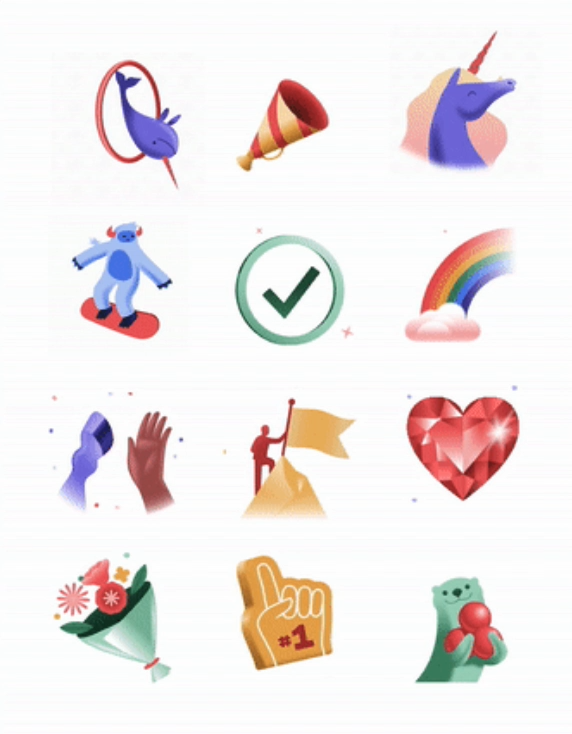
Asana is trying to take the creatures to social media, and it’s not quite landing. They built a full-body yeti costume. They’re posting TikToks. The yeti dances in hallways and shows up at Halloween. The zodiac campaign matched each sign to a creature. The sticker system gives users creature-themed reactions.
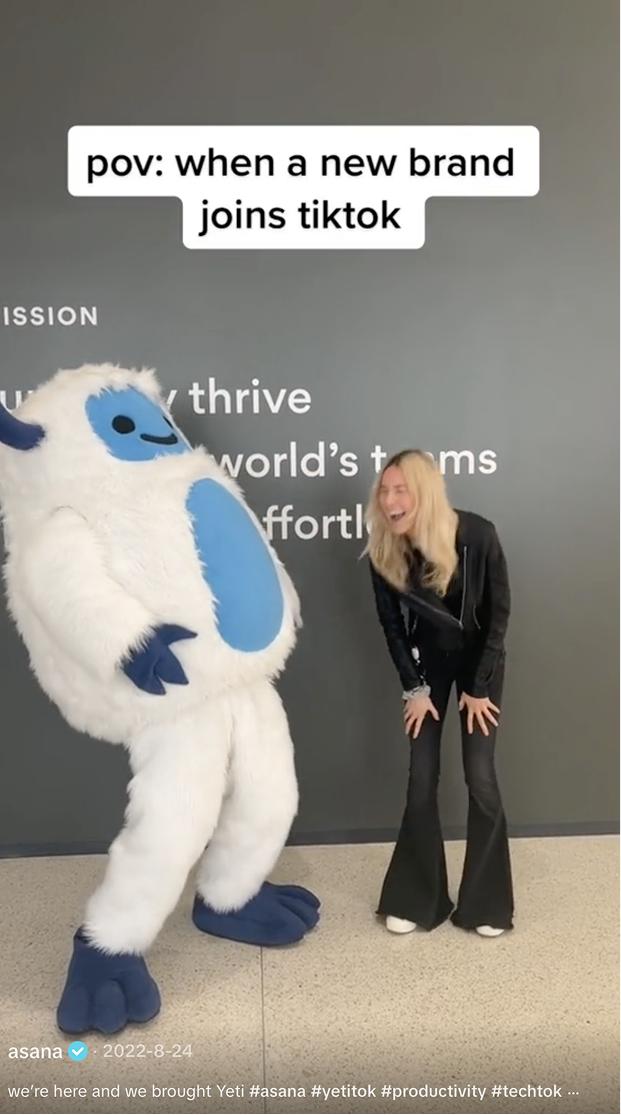
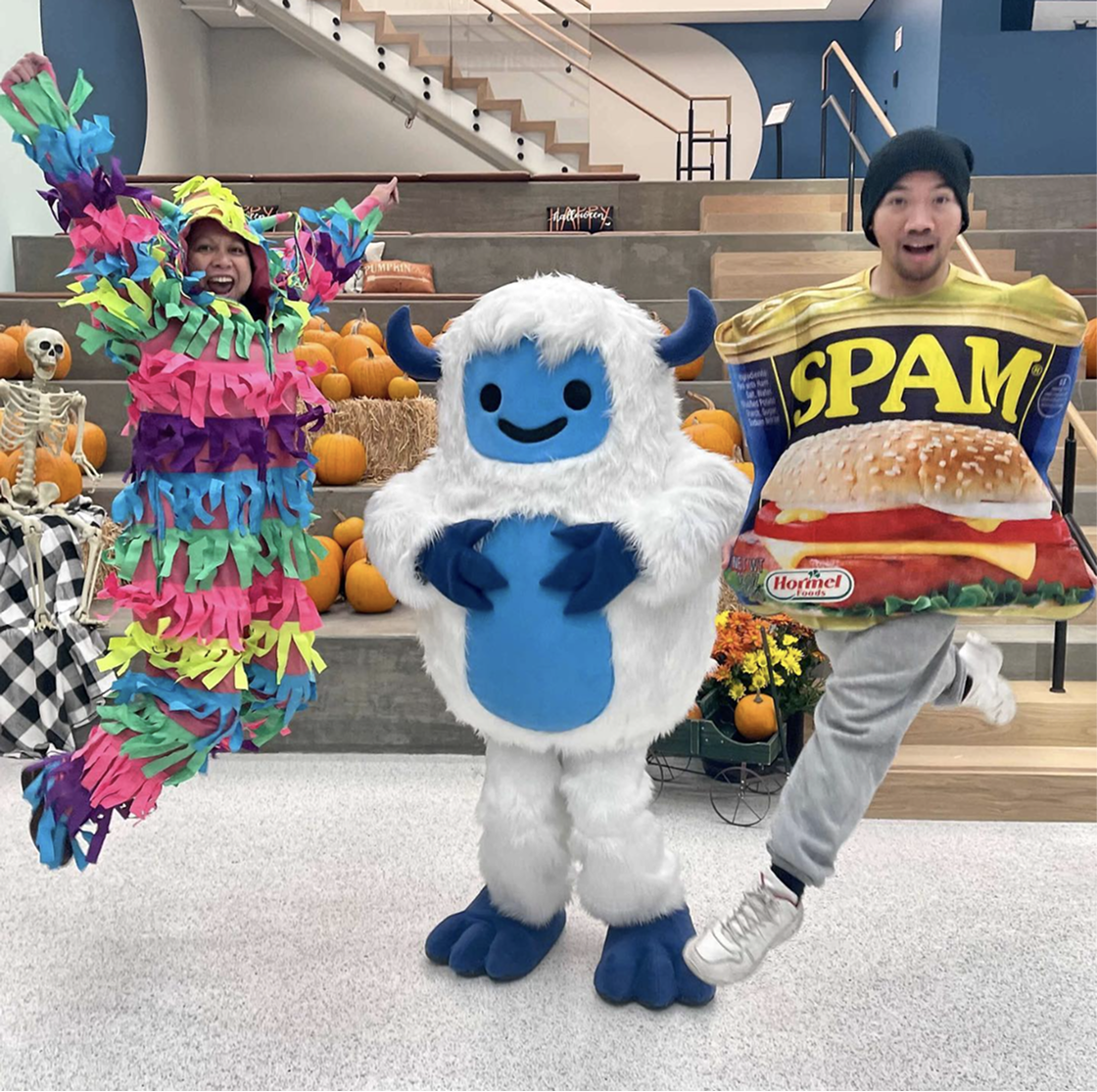
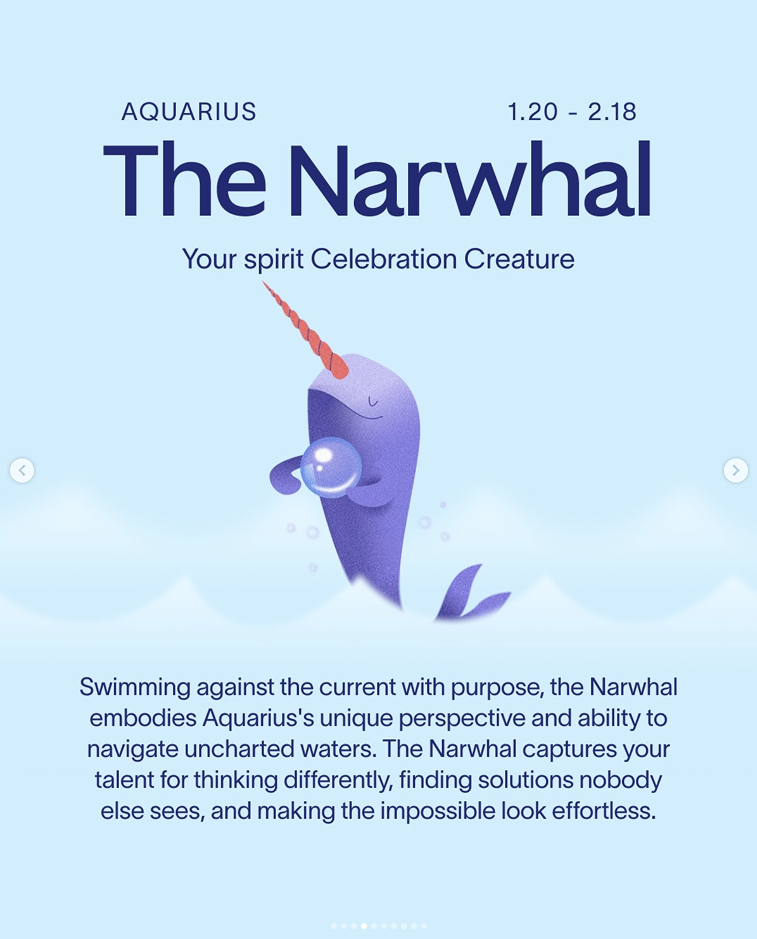
All of this is fine. None of it is great. The yeti TikToks feel like a brand trying to be relatable rather than a character being itself. The zodiac thing is a one-off gimmick. The stickers are cute but forgettable. The effort is there. The personality isn’t.
The root issue is the same one: these creatures don’t have enough depth to carry content on their own. When Duo posts on social, you’re hearing from a character with a point of view. When Asana posts the yeti, you’re seeing a costume in an office. There’s no voice, no attitude, no reason to follow along.
How we’d evolve them
The foundation Asana built is rare. Most companies can’t get people to care about one mascot. Asana has people caring about six. That’s an incredible starting point. Here’s what we’d do with it.
Where we'd take the creatures
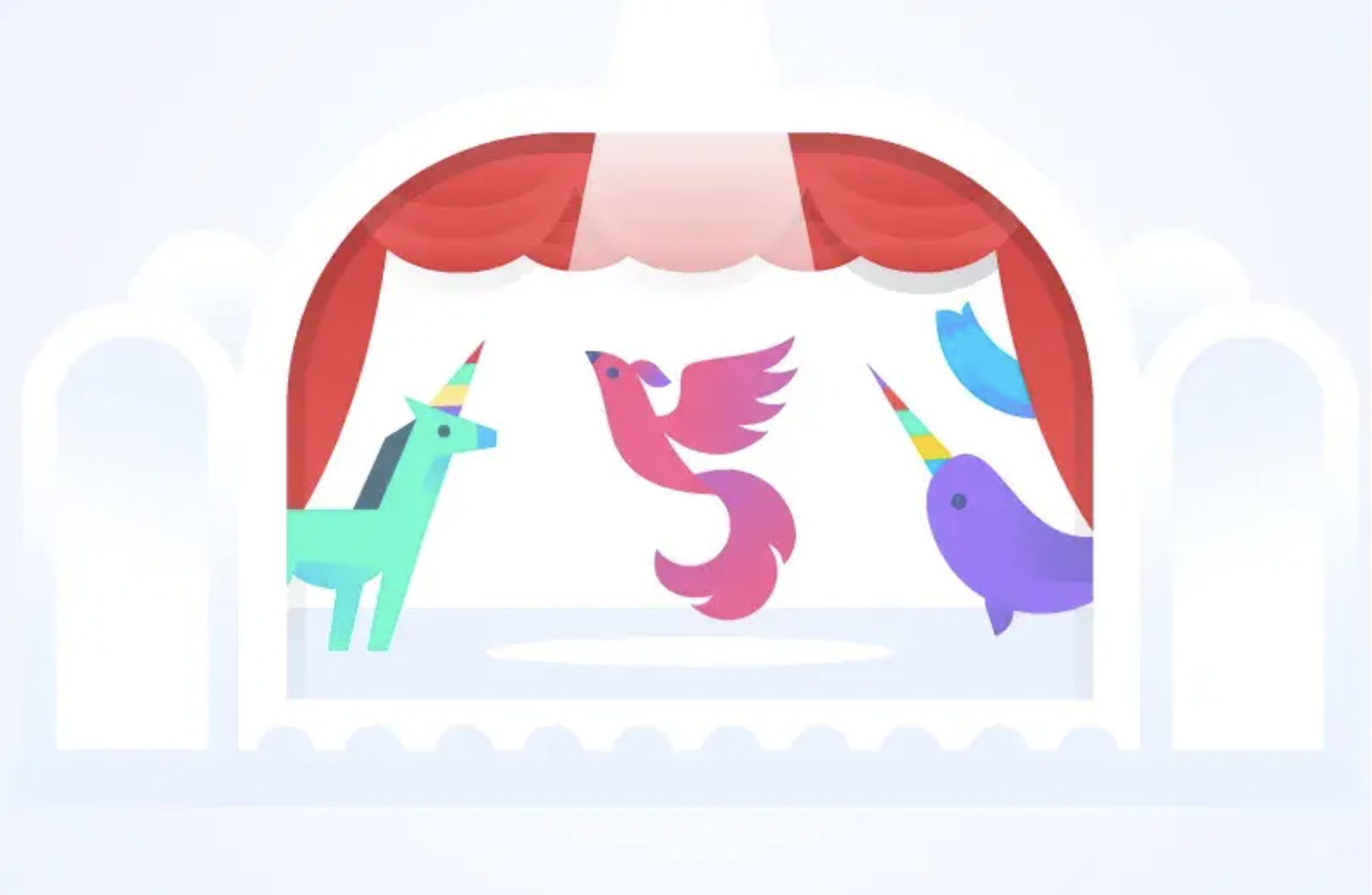
Name them. Give them voices. The narwhal is the skeptic who questions every deadline. The yeti is the eternal optimist who celebrates everything. The phoenix is the dramatic overachiever. The unicorn is the quiet one who somehow always ships on time. Write a personality bible for each one. Make them people, not animations.
Build the world. Where do these creatures live when they're not flying across your screen? Give them a place. A shared office, a floating island, a parallel dimension where tasks are mountains and completions are celebrations. The world doesn't need to be complicated. It just needs to exist so the characters have somewhere to be between appearances.
Let them talk to each other. The creatures never interact. That's a huge missed opportunity. The narwhal roasting the yeti for celebrating a one-line task. The phoenix ignoring everyone because it's focused. The unicorn mediating an argument. Relationships between characters are what make people actually follow a cast.
Make the social voice character-first. Instead of "Asana posts a yeti TikTok," it should be "the yeti posts a TikTok." Give each creature its own voice for different platforms. The narwhal does dry commentary on LinkedIn. The yeti does chaotic energy on TikTok. The phoenix does motivational content, but like, ironically. The brand becomes the universe. The characters become the voices.
Animated shorts. These creatures are expressive enough to carry a series. Two-minute episodes of the cast navigating workplace chaos. Not ads. Not product demos. Just characters being characters in situations every knowledge worker recognizes. The product placement is implicit: these creatures live in a world where work gets done.
Asana has something most brands would kill for: a cast of characters that users already love, embedded in a product moment that triggers genuine emotion. The creatures just need permission to be more than celebrations. Give them names, give them voices, give them a world, and this becomes the best mascot system in tech. It’s already close.
If you’ve got characters that people already love and you’re wondering how to take them further, let’s talk. Evolving an existing mascot system is one of our favorite things to do.