
Mojo
I drew the first version of Mojo almost fifteen years ago. A simple green monster with dot eyes, a big mouth, and a headband. We wanted to bring joy to kids and teachers, and that was the whole brief.
Two decades later, teachers dress up as the ClassDojo monsters every Halloween. Kids know Mojo and his friends by name. He starred in an animated series, became a plush toy kids carry around like a best friend, a six-foot walkable mascot for school events, and a set of iOS stickers parents send each other before the morning bell. He went from a sketch on my desk to something that kids in São Paulo and Tokyo and Chicago all recognize on sight.
With Mojo, the character and the company grew up side by side.
Off the Screen
Mojo lived as a 2D character for years, and that worked because the app was flat and the contexts were simple. But as ClassDojo grew into richer experiences, Mojo needed to exist in real space. Depth, light, weight.
That meant 3D renders for the app, but it also meant figuring out how to build him as a six-foot walkable mascot for school events and a plush toy that feels right in a kid's hands. Every new format asks a different question about who the character really is. The answer has to be the same whether he's on a screen, on a stage, or sitting on a shelf.
The Animated Series
ClassDojo's show was built around social emotional learning, teaching kids about empathy, perseverance, and growth mindset through stories that actually held their attention. The first episode alone hit six million views on YouTube.
The series went through multiple production runs, each one a different approach. Different teams worked on After Effects animation, frame-by-frame hand-drawn work, and eventually a full 3D character puppet for YouTube. Each style pushed Mojo's design in a different direction and taught the team what the character could handle.
Mojo in the Wild
The best part of building a character like Mojo is seeing what happens when people make him their own. Teachers bake monster cookies for classroom parties. Kids draw him on construction paper and tape him to bulletin boards. Classrooms dress up as the whole crew for Halloween. None of that was planned. It just happens when a character brings people genuine joy.
That's the thing you can't design for directly. You can design the shape, the expression, the personality. But the moment someone loves a character enough to recreate it out of cellophane and marker, that's when you know it worked.
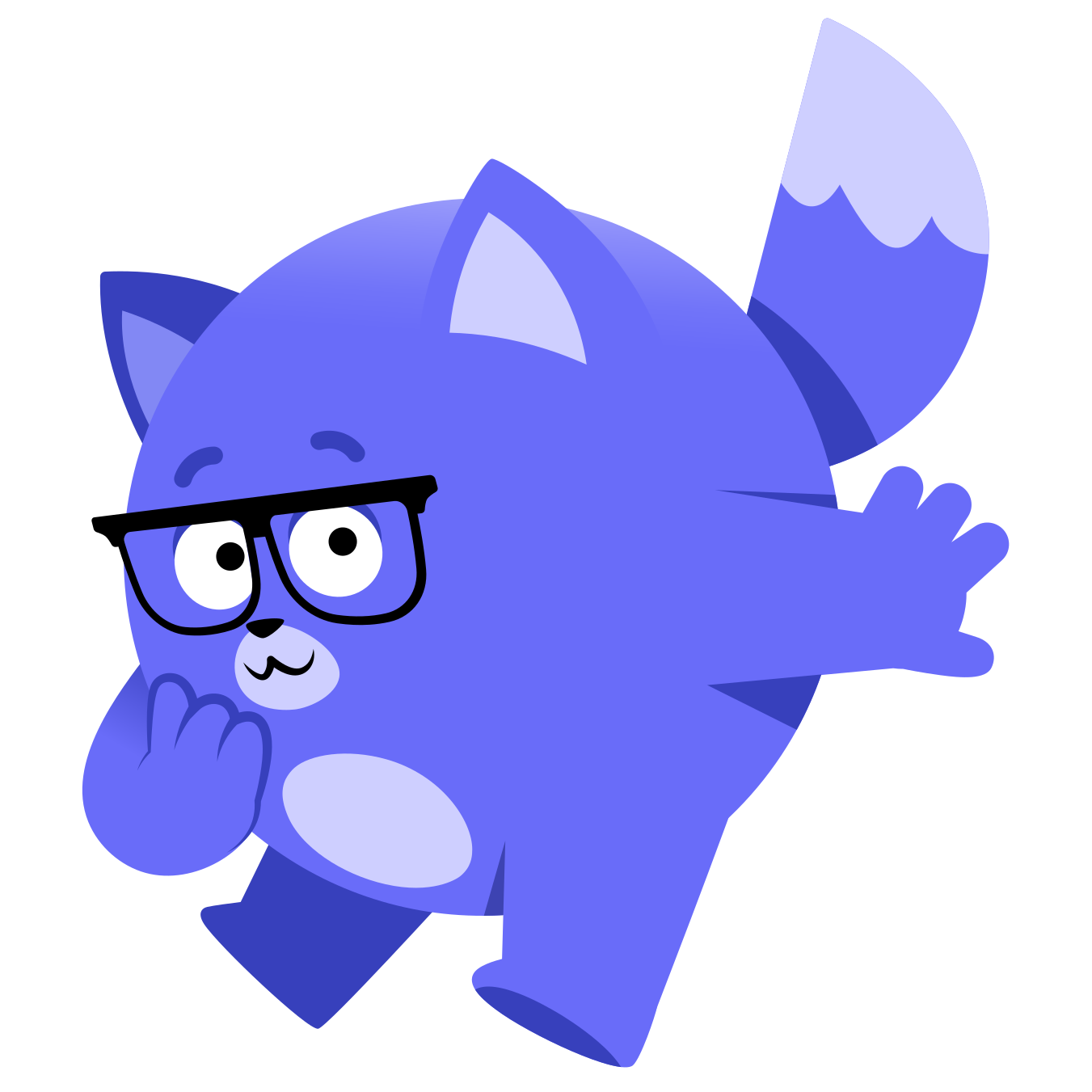
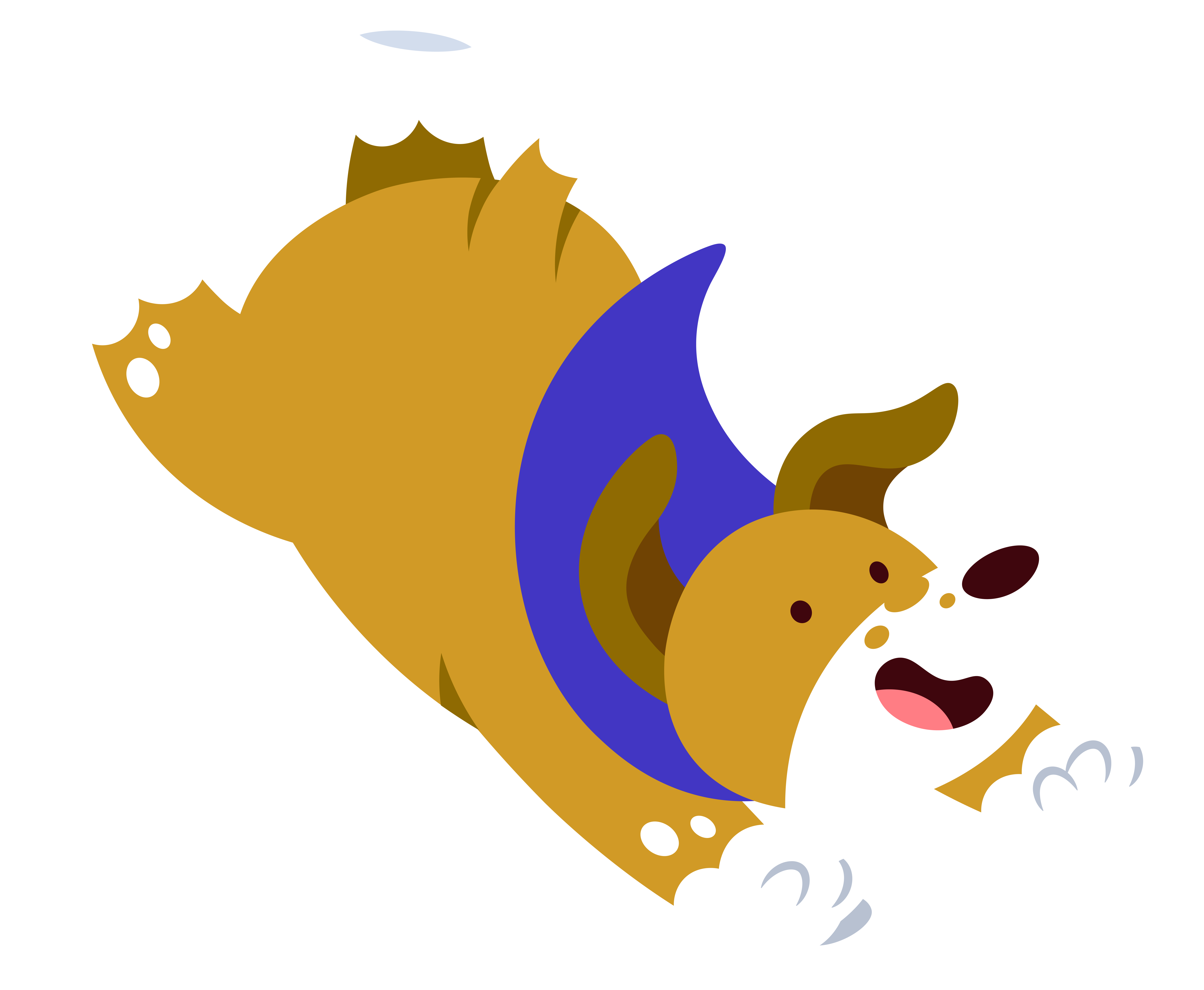
Mojo Social Strategy
Reaching kids and families on TikTok and YouTube meant giving Mojo a voice that worked outside the app. Short-form content that felt native to the platform, not like a brand posting. Meagan Loyst led the social media strategy at ClassDojo, and she's one of the best in the business. She understood that the characters weren't marketing assets, they were the whole show. Under her strategy, Mojo videos regularly hit millions of views.