
2 min read
Logos get recognized. Characters get remembered.
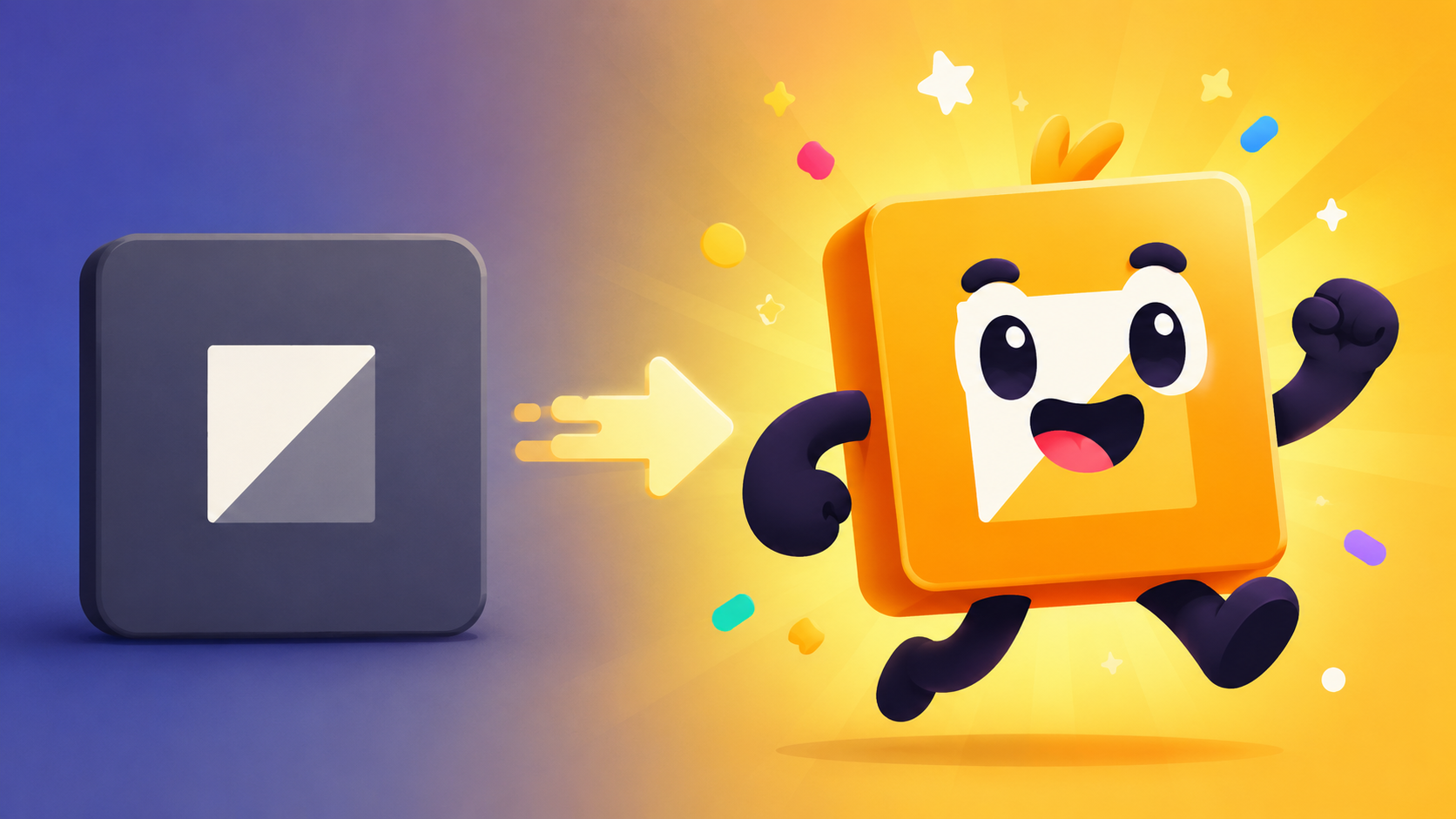
Nobody cares about your logo
Every few years, a massive company pays a design agency an amount of money normally associated with minor space programs to “refresh” their logo, and the internet spends three days arguing about whether the new version is cleaner, worse, or suspiciously similar to a menstrual tracking app.
Then everyone forgets about it.
The logo still works. It identifies the company. It appears on documents and websites and conference lanyards. But nobody feels anything about it. Nobody buys merch because they’re emotionally attached to a refined geometric wordmark.
Now compare that to Duo the owl, the Geico gecko, or Clippy, who was so annoying that people are still talking about him twenty-five years later. That’s not failure. That’s immortality.
Why characters work
Characters stick because humans are wired to respond to faces, personalities, and social behavior. The second a brand has a character, it stops feeling like a corporation and starts feeling like something with intent.
A logo can identify you, but a character can interact with people, and that changes everything.
A logo sits on things. A character does things.
It can guide onboarding, react to errors, celebrate wins, soften frustrating moments, and turn otherwise forgettable interactions into experiences with emotional texture. Over time, those moments build affection, and affection is what drives the stuff companies actually care about: recall, loyalty, sharing, merch, engagement, all of it.
The flexibility gap
A logo has one emotional register: existing.
You can flatten it, animate it, or make it slightly more lowercase, but it still can’t express excitement, concern, embarrassment, or warmth. A good mascot can adapt across product UX, social media, support, events, and marketing while still feeling recognizably itself.
That’s why brands built entirely around logos often end up feeling visually consistent but emotionally hollow. Everything matches. Nothing connects.
When mascots make sense
Not every company needs a mascot. If you sell industrial compliance software to procurement departments, a cartoon animal may not be the missing piece of the puzzle.
But for products that involve repeated human interaction, especially ones that benefit from warmth or personality, a character is one of the strongest branding tools available.
Because if your goal is only to be recognized, a logo is enough.
If your goal is to be remembered, you probably need a character instead.