
3 min read
Are mascots childish? Adult software has the wrong question
Brand mascots are often dismissed as childish. The problem is rarely cuteness. It is whether the character respects an adult audience.
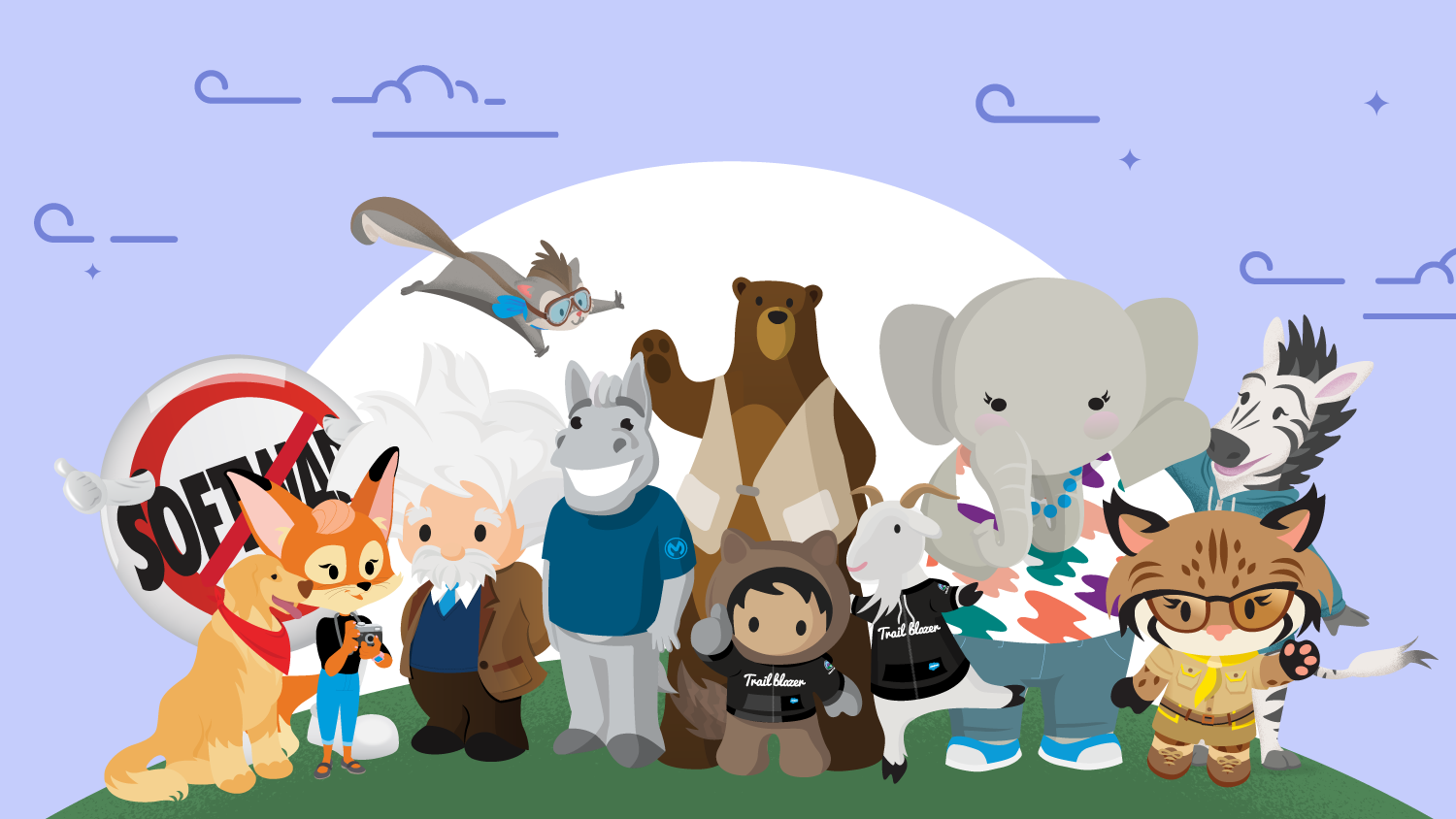
Salesforce uses a cast in a business context without pretending work is preschool. Image: Salesforce.
Adults spend their days naming cars, yelling at sports mascots and forming opinions about fictional bears. Then a software company draws a round character and somebody in the meeting says it feels childish.
They usually mean one of two things. The design is cute, or the communication feels condescending. Those are different problems.
Cuteness is a visual quality. Condescension is a relationship. Adults tolerate enormous amounts of cuteness when the thing on the other side still respects their intelligence.
This distinction matters before a company even decides whether its brand should have a mascot. “Too childish” can otherwise end a useful discussion before the character has a job.
Rounded does not mean juvenile
Soft forms are legible at small sizes. Big facial features carry expression. An unusual silhouette is easier to remember than another abstract gradient. These are useful properties for a product character, whether the user is six or sixty.
The age signal comes from context. Put a rounded character in a world with no stakes, no ambiguity and endless praise, and it begins to feel like a preschool teacher. Let it acknowledge frustration or take a supporting role, and the same design can feel adult.
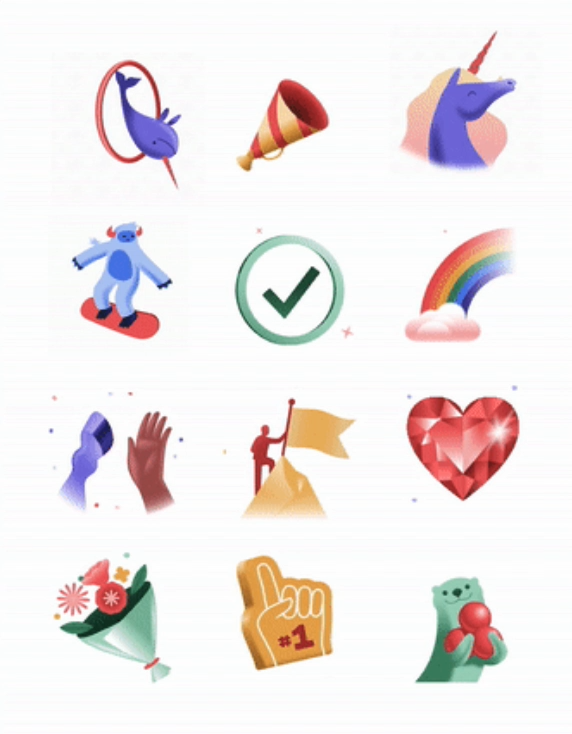
Asana’s celebration creatures understand this. They cross the screen after a task is completed and leave. The character marks a small moment of satisfaction without explaining why finishing work is good. It trusts the user to supply the meaning.
Serious companies already speak in characters
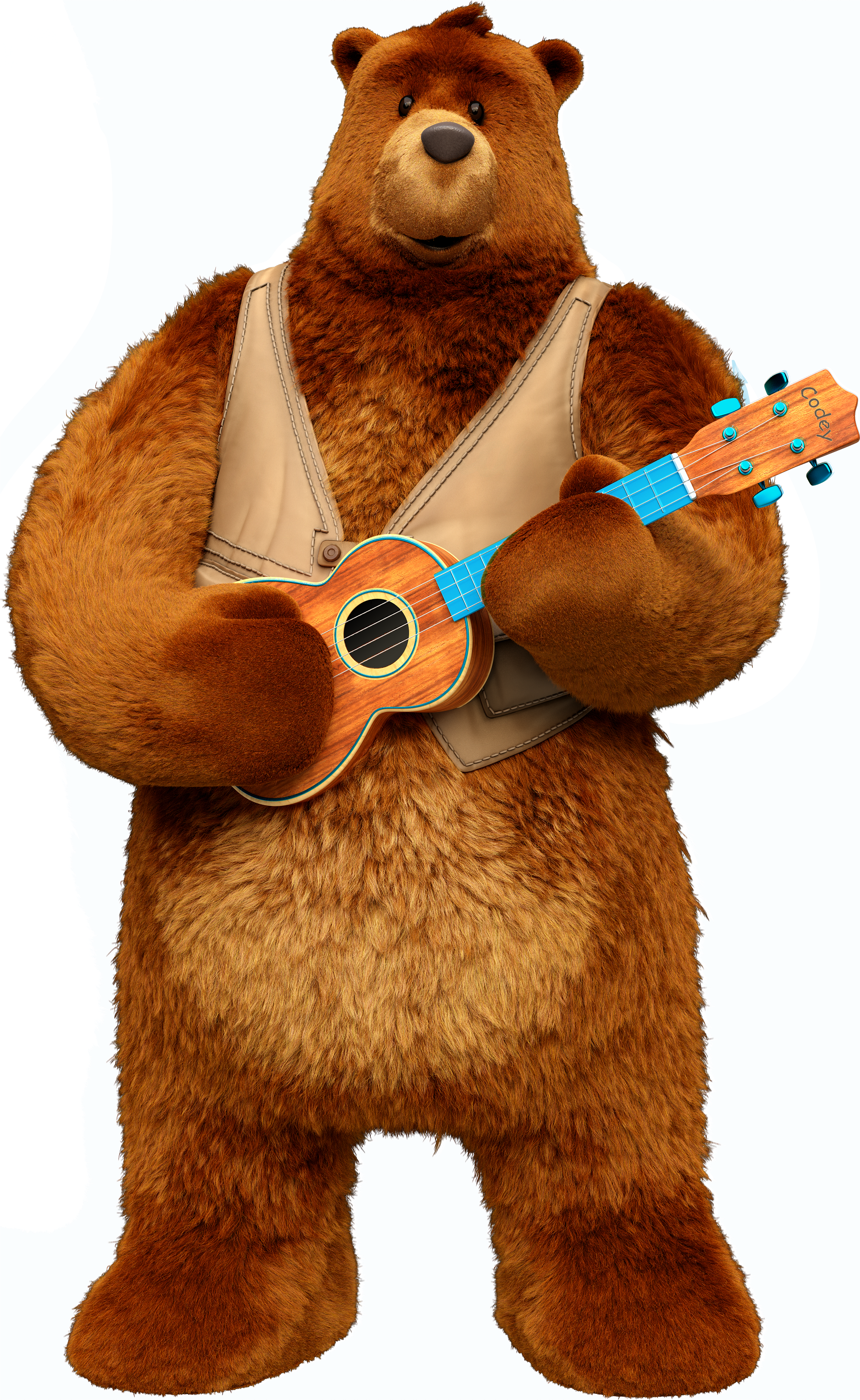
Salesforce’s Trailhead cast is attached to enterprise software, certification and career development. Astro welcomes learners. Codey appears around building skills. Other characters map to roles and parts of the Salesforce ecosystem. The designs are playful, but their job is orientation.
The Salesforce cast in the Mascot Atlas shows how far those roles have been deployed.
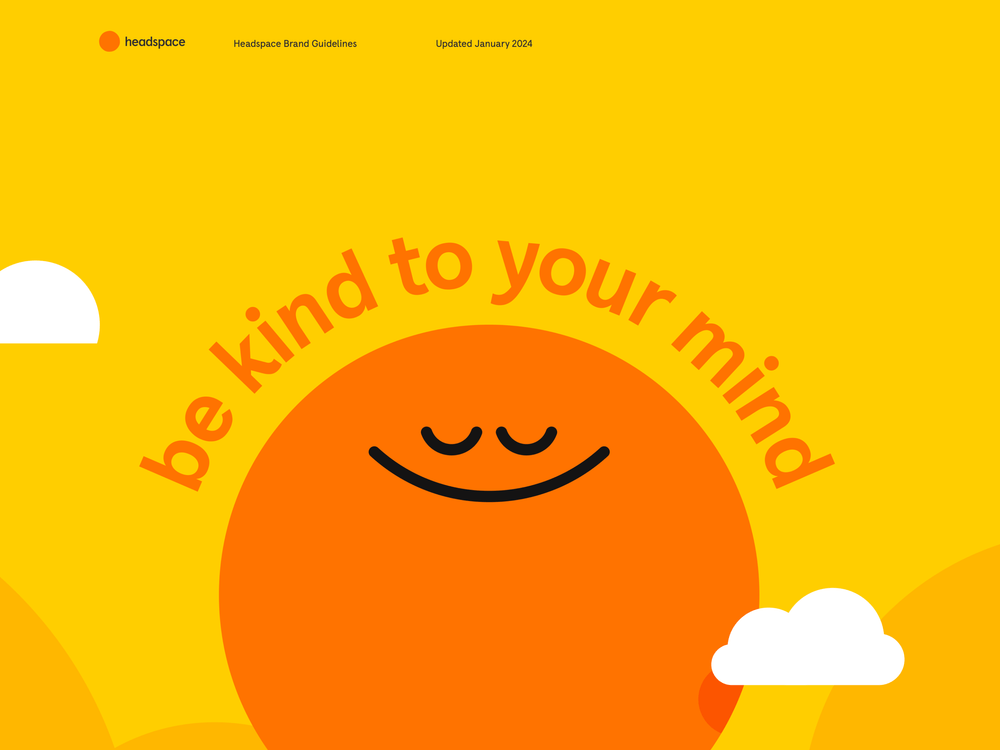
Headspace goes further in the other direction. Its characters can be little more than shapes with faces. They are deliberately simple because the subject is internal and the illustration should not overpower it. Calling that childish misses the sophistication of restraint.
The dangerous word is “delight”
Teams often ask a mascot to add delight without deciding whose delight, at what moment or at whose expense. The result is confetti during serious work, baby talk in error messages and high-energy encouragement when the user wants speed.
Adults do not reject play. They reject having a mood assigned to them.
A character can joke with an expert audience, but the joke should know what the audience knows. It can celebrate, but only when something worth celebrating happened. It can be vulnerable without turning the user into its caretaker. These choices have little to do with whether the mascot has large eyes.
The copy often ages a mascot more than the drawing does. “Great job, superstar!” can make a sober character feel juvenile. A dry acknowledgment can make a bright pink creature feel like a colleague. Motion matters too. Constant bouncing asks for attention; a deliberate glance can suggest that the character understands the pace of the room. Before redrawing the face, listen to what the character says and watch how it enters.
Ask whether it has dignity
“Is it too childish?” tends to flatten every interesting design choice. A better question is whether the character has dignity. Can it occupy a quiet scene? Can it appear beside a difficult message without becoming grotesque? Does it have an emotion besides enthusiasm? Can an adult recognize themselves in the way it behaves?
A mascot can be cute and still understand the room. That is the standard adult software should use.
We design mascots that can be playful without talking down to people.