
3 min read
The friendly mascot problem
A friendly brand mascot makes a promise. What happens when the product, pricing or policies behave nothing like the character?
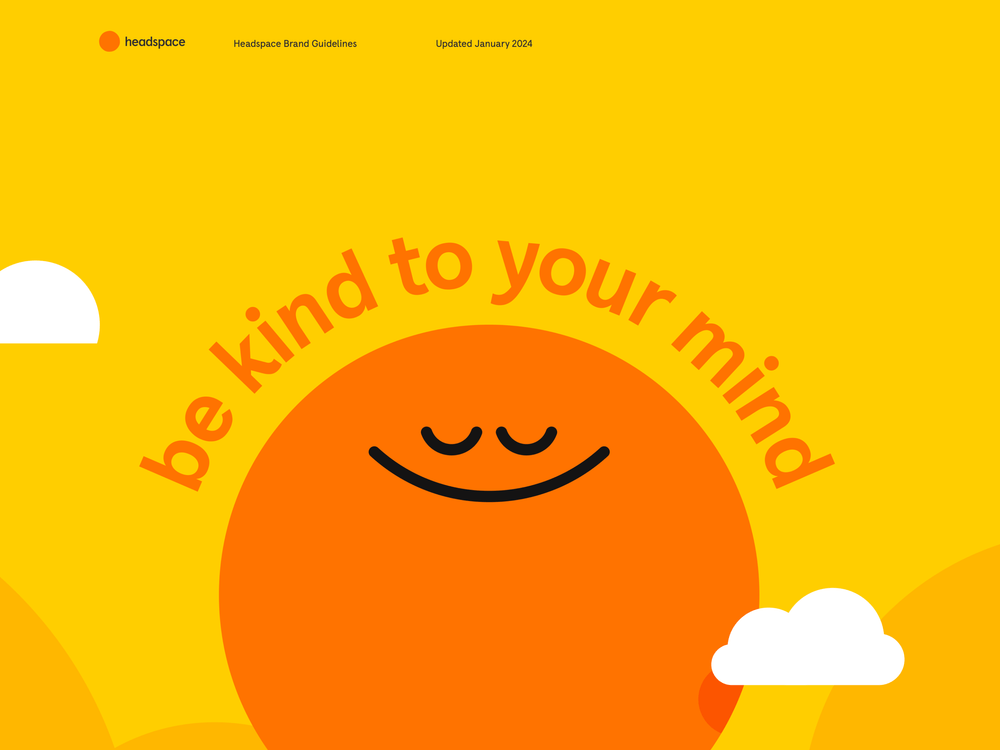
A giant smile can set the emotional temperature before a word appears. Image: Headspace brand guidelines.
A friendly mascot is a tiny contract. The brand says, “you can relax around us,” and the customer remembers that promise at the worst possible moment.
This is where mascots get dangerous. A cheerful character can make software feel approachable in an ad. The same character beside an unexplained charge, an invasive permission request or a dead-end support flow feels like a witness for the prosecution.
The hypocrisy is not that a company uses a cute drawing. It appears when the drawing performs values the product will not support.
An AI face raises this risk because it speaks back. Our essay on why AI assistants keep growing faces looks at the product-design side of that promise.
Soft shapes make hard behavior feel harder
Visual warmth changes the emotional baseline. Headspace can place a huge smile over the line “be kind to your mind” because its illustration system is built to lower the temperature. The forms are rounded. The faces are economical. The characters do not need to shout for attention.
That restraint is a design decision with operational consequences. If a product borrows the same soft language, the rest of the experience has to honor it. A friendly character paired with aggressive interruption does not soften the interruption. It gives the user a more precise way to describe why it feels wrong.
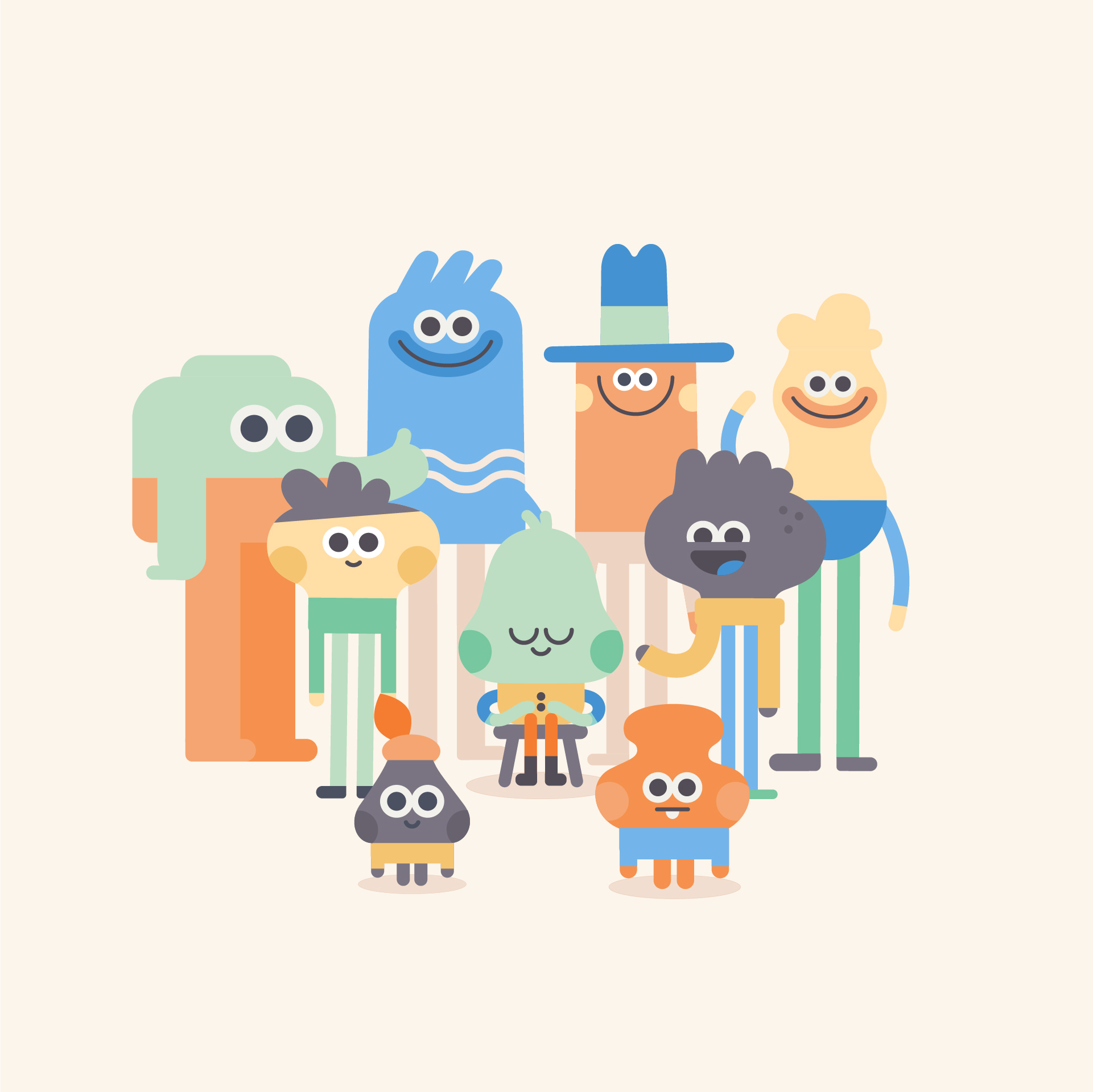
This applies well beyond wellness. A finance mascot cannot be breezy about uncertainty. A security mascot cannot joke through a breach. An AI companion should not act wounded when a user leaves. The more emotional the character, the more carefully the product has to handle power.
Brands want intimacy and control at the same time
Mascots are often commissioned because a company wants community. Then the character is subjected to the tightest voice controls in the brand system. It can wave, announce a feature and wear a seasonal hat. It cannot have a bad day, misunderstand a joke or hold an opinion.
That produces the strangest kind of corporate creature: familiar but unknowable. The brand asks for affection while withholding the details that make affection possible.
Duolingo escaped some of this trap by letting Duo become needy, theatrical and occasionally alarming. Those traits are funny because they risk a little dignity. A mascot that can never make the brand look odd has very little room to become loved.
This is one reason perpetually happy mascots become hard to deploy. Their only approved emotion is wrong for half the customer journey.
The test happens during friction
Launch campaigns are poor tests of character. Everything works in a launch campaign. The better test is a failed payment, a refused prompt or a seven-minute loading state. What does the mascot do there?
A character does not have to solve the problem. It does have to respond in character. The calm guide can explain the next step without chirping. The chaotic sidekick can become unusually focused. A silent character may step out of the way. Those responses turn personality from campaign copy into service behavior.
Teams can map this before production. List the ten moments when users are most likely to feel confused or exposed. Decide whether the mascot appears, what emotional job it performs, and when it should disappear. This is a more serious use of character than adding a wink to an empty state.
A mascot makes the company easier to remember
That sounds like pure upside. Memory also preserves contradiction. People forget button labels and campaign headlines. They remember the owl that nagged them, the bear that welcomed them or the little face that kept smiling while support failed.
The strongest mascot is not the friendliest one. It is the one whose behavior remains believable when the product is under pressure.
If your character needs a point of view it can keep, talk to Mascotti.