
3 min read
How to measure whether a mascot is working
Mascot effectiveness is bigger than likes. Measure recognition, product behavior and commercial use without pretending the character caused everything.
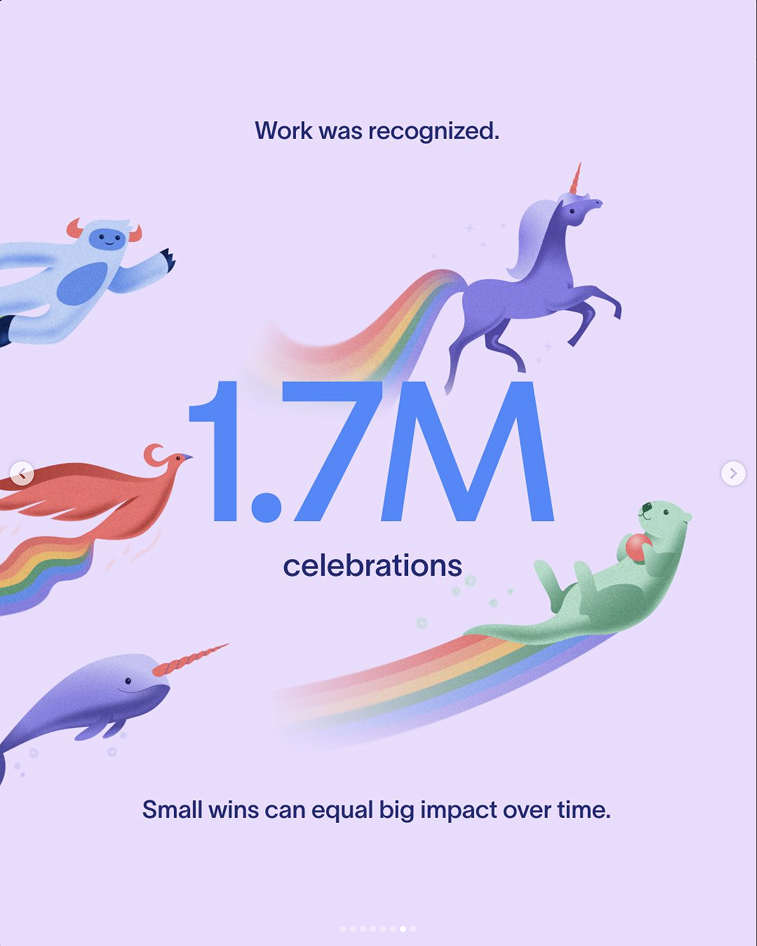
A mascot becomes measurable when it has a repeatable job inside the product. Image: Asana.
Mascot effectiveness is usually measured with the data that happens to be nearby. A social post gets likes. A plush sells out. Somebody dresses as the character at an event and the photos look busy. None of this tells you whether the mascot is building the brand.
A useful measurement plan starts with the job the character was hired to do. Recognition, product guidance and commercial licensing require different evidence. Combining them into one “engagement” number produces a report nobody can act on.
The same principle should shape the investment decision. Our guide to what mascot design costs separates the character’s jobs before discussing price.
Measure memory before popularity
The first job of many mascots is to make the brand easier to recognize. Test that directly.
Show people the character without its wordmark and ask which company comes to mind. Test the silhouette without color. Ask again a week later. Compare recognition among customers, prospects and people outside the category. The wrong answer can be more informative than a low score. If everybody recognizes an owl but names another education app, the character is memorable while the ownership is weak.
This is also where a mascot can beat a decorative illustration system. A beautiful campaign may be remembered without taking the company with it. Brand value appears when memory joins the character to the right name.
Measure the product moment
If the mascot lives inside a product, define the behavior it should change. Does a guide improve completion of a difficult setup? Does an error-state character reduce repeated support attempts? Does a celebration make people more likely to finish the next task?
Asana’s creatures have a clean product job: they appear when work is completed. That makes the moment testable. A team could compare celebration exposure, task completion patterns and user preference while controlling for account type or tenure. The point is not to hunt for a flattering lift. It is to learn whether the character changes the experience enough to justify deeper deployment.

Qualitative evidence belongs here too. Watch users encounter the moment. Do they smile, dismiss it or fail to notice? Ask what they think the character is doing. A mascot intended as a guide has failed if users think it is an ad, even when click-through looks healthy.
Measure how much work the character can carry
A valuable mascot reduces the amount of invention required for each new campaign. Track where it can appear without losing recognition: product, social, events, editorial illustration or merchandise. Count distinct useful roles rather than asset volume.
Ten poses of the same wave do not prove deployment. One character that can teach a feature, hold a difficult message and anchor a live event is doing more brand work.
Commercial measures depend on the model. Merchandise margin matters for a character brand. Qualified traffic matters for an editorial mascot. Licensing revenue matters only when licensing is part of the strategy. Duolingo’s company performance should not be treated as proof that Duo caused it. The honest claim is narrower: the character has become a flexible asset used across product and culture.
Keep company value separate from mascot value
Large companies have valuable mascots because they are large, sometimes. Distribution can make an ordinary character familiar. The reverse can also happen: a beloved character may have little effect on purchase behavior.
This is why company valuation does not belong in a mascot score. Track the character’s attributable effects, then document the less direct evidence without turning it into fake precision. Search demand for the character, unsolicited fan work and recognition without a logo all matter. They are signals, not a dollar valuation.
The Mascot Atlas keeps company brand value separate from personality, design and deployment for this reason. A famous employer does not automatically have a strong mascot.
The strongest mascot dashboard will look slightly untidy. Memory studies sit beside product tests. Licensing income sits beside interview notes. That mess is preferable to one impressive number that measures whatever was easiest to count.