3 min read
One mascot or a whole cast?
A mascot cast can build a world, but more characters also create more work. Headspace, Duolingo and LINE FRIENDS show three ways to do it.
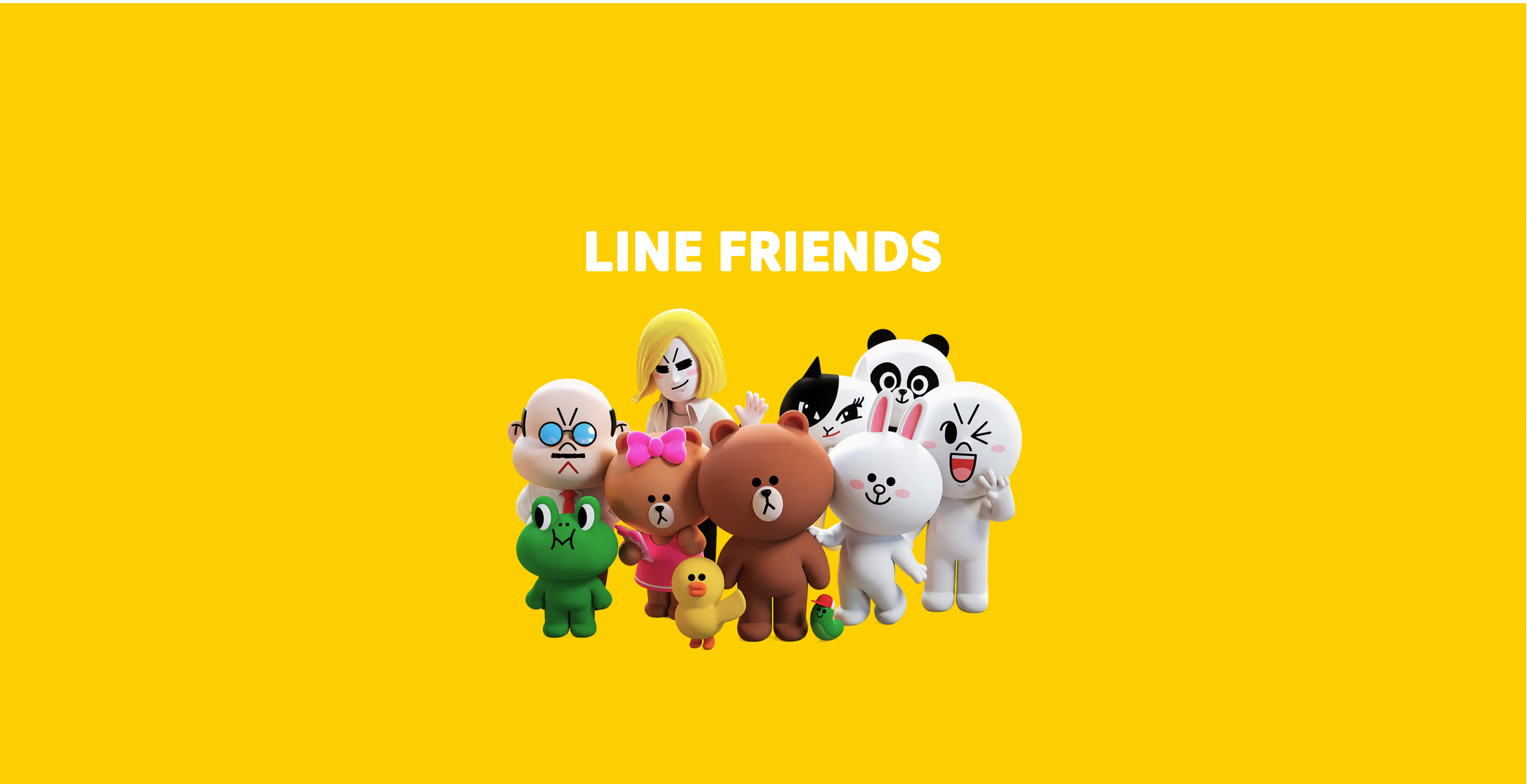
A cast becomes useful when each silhouette carries a different social role. Image: LINE FRIENDS.
One mascot gives a brand a spokesperson. A cast gives it conflict.
Conflict is the useful part. Two characters can disagree, misread each other or want different outcomes. Suddenly the brand can tell a story without making the company itself the hero. That is why supporting casts keep appearing around mascots that start alone.
More characters also multiply the work. Every addition needs a reason to exist, a recognizable shape and a relationship to the others. A cast built as “the blue one, the pink one and the tall one” is a palette with names.
For a team still choosing the foundation, the earlier question is whether the mascot can work as a logomark. A cast cannot rescue a weak lead silhouette.
Duolingo builds with contrast
Duolingo’s cast is structured around social friction. Lily’s reserve reads more sharply beside Zari’s outgoing energy. Lin’s laid-back posture plays against Bea’s ambition. Lucy and Lin have a family relationship, which creates history before a scene begins.
Those contrasts help each character become more legible. A single description can be vague. Put two people with opposing instincts in a room and personality turns into behavior.
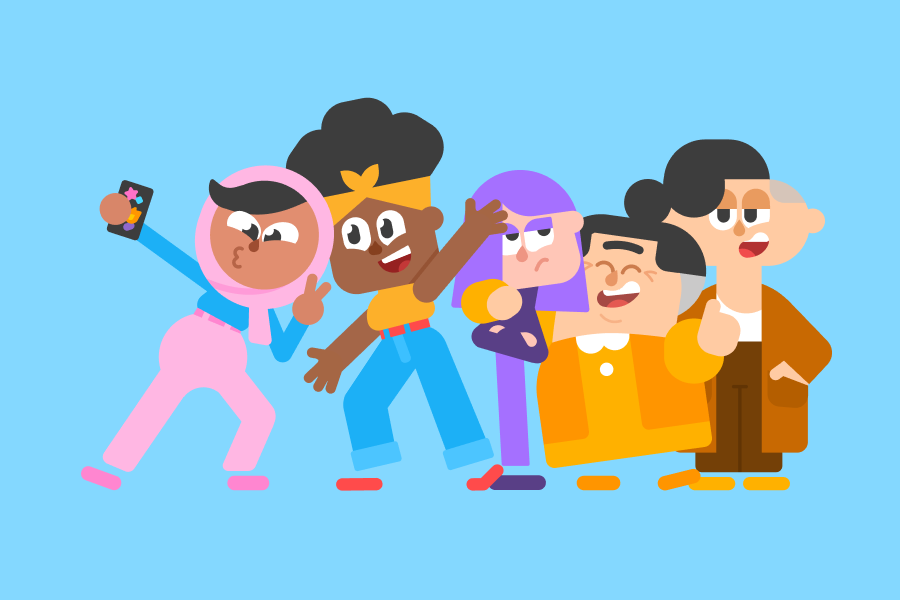
This also lets one brand stretch across audiences without forcing Duo to perform every emotion. The owl can stay intense. Lily can carry deadpan conversation. Another character can be encouraging without making the entire world cheerful.
Headspace builds an emotional grammar
Headspace’s cast works differently. Many of its figures are simple shapes with faces and limbs. Their individual lore matters less than the range they can form together. A large anxious shape can fold around a small one. A cluster can visualize social pressure. A single smiling dot can change the temperature of a page.
The Headspace collection in the Mascot Atlas makes that flexibility easier to see across multiple assets.
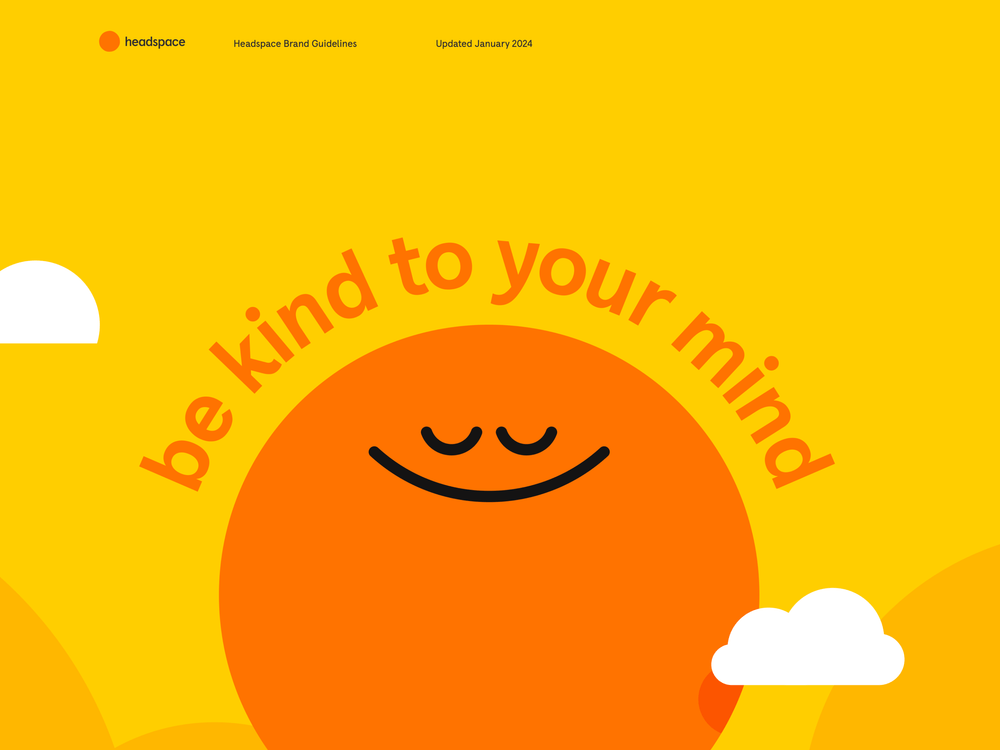
This model suits a brand that needs situations more than sitcom plots. The system can express a mental state without requiring a biography for every blob. It is a cast built from grammar rather than lore.
LINE FRIENDS builds social types
LINE FRIENDS began with characters made for messaging stickers, where a readable reaction matters at thumbnail scale. Brown’s deadpan face, Cony’s energy and Sally’s compact mischief cover different social temperatures. Choosing a sticker becomes a tiny act of casting.
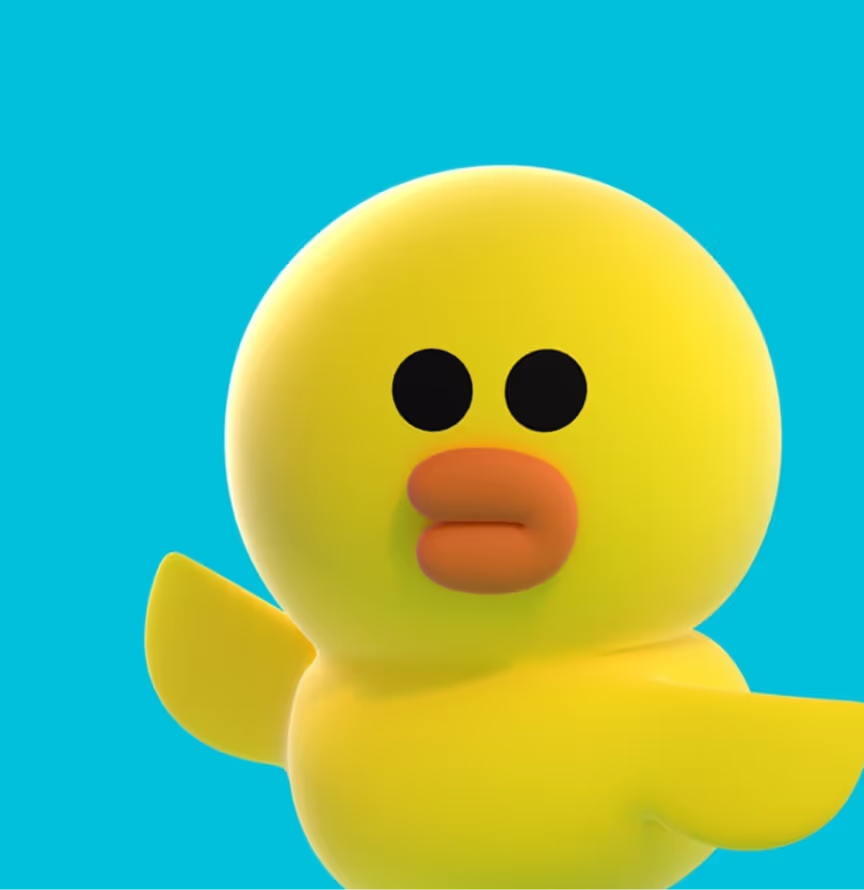
This is a commercial advantage too. A broad cast gives people choices. The customer who does not identify with the central bear may adopt the small yellow bird. Merchandise becomes self-expression instead of a logo purchase.
Supporting characters protect the lead
A lead mascot gets dull when it has to embody every brand quality. The same character becomes wise in onboarding, chaotic on social and tender in support. A supporting cast distributes those jobs. The lead can keep its sharpest trait while another character carries skepticism or calm.
The relationship still needs to be visible. A new character should change how the audience reads somebody already present. Without that connection, the company has accumulated mascots rather than built a cast.
The cast needs an operating cost
Every character creates future decisions. Who appears in onboarding? Which one speaks during an error? Can they wear clothes? Do they age? What happens when regional teams want local variants? Somebody has to maintain the answers.
A company with one recurring product moment may need one excellent mascot. A platform with distinct audiences or a brand planning entertainment can benefit from a cast. The decision should follow the number of roles the system must perform.
Start with tension. If the second character does not reveal something new about the first, it may be an accessory wearing a face.