6 min read
Nobody commissioned Tux
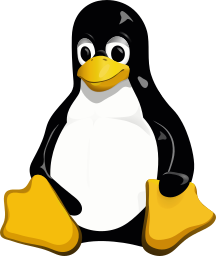
In 1996 the Linux kernel mailing list had an argument about whether the project should have a mascot, which is roughly what you would expect from a mailing list. Alan Cox floated the idea. People drew penguins. Some of the early attempts had the penguin in boxing gloves, looking ready to fight for market share.
Linus Torvalds wrote back with notes, and his notes are the interesting part of the record. He did not want a fighting penguin. He wanted a penguin that had just eaten, one that looked contented and slightly overfull, stuffed to its brim with herring. Larry Ewing drew that penguin in GIMP, an image editor barely older than the argument itself. James Hughes proposed the name on 10 June 1996, reading it as Torvalds UniX.
Nobody was paid. No agency was briefed. There was no positioning document, and the closest thing to a creative direction was a kernel maintainer asking for an animal that looked like it had finished lunch. That penguin is now the flag of an operating system running most of the internet.

The gopher was a radio station t-shirt
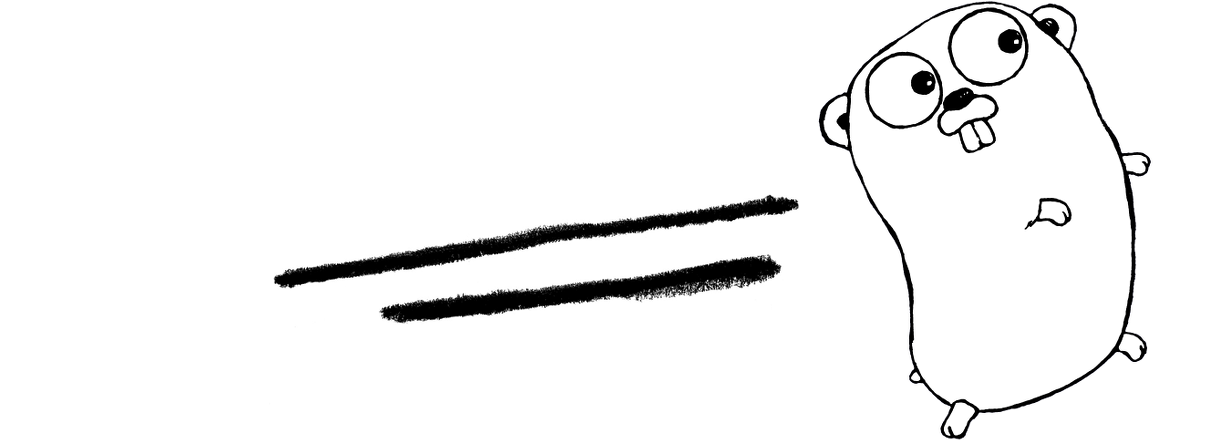

The Go gopher has an origin even further from a brand process.
Renée French drew a gopher for WFMU, a listener-supported radio station in New Jersey, as a design for an annual fundraiser t-shirt. That was about fifteen years before the Go project existed. When Go went open source in 2009, French suggested adapting the fundraiser gopher, and the Go team took it. The images are Creative Commons Attribution licensed, which is why you have seen that animal on conference badges and book covers and stickers for the last fifteen years without anyone at Google approving each use.
Rust’s crab is stranger still. Ferris was drawn in 2014 by Karen Rustad Tölva, a community member rather than anyone on the project, and released into the public domain under CC0. He is still, formally, the unofficial mascot. The joke came before the animal: Rust programmers had already started calling themselves Rustaceans, a pun on crustacean, so a community that had named itself went looking for a creature that would match the name it already had. That is the exact reverse of every branding process ever run, and it produced a character people tattoo on themselves.
What adoption buys is proof
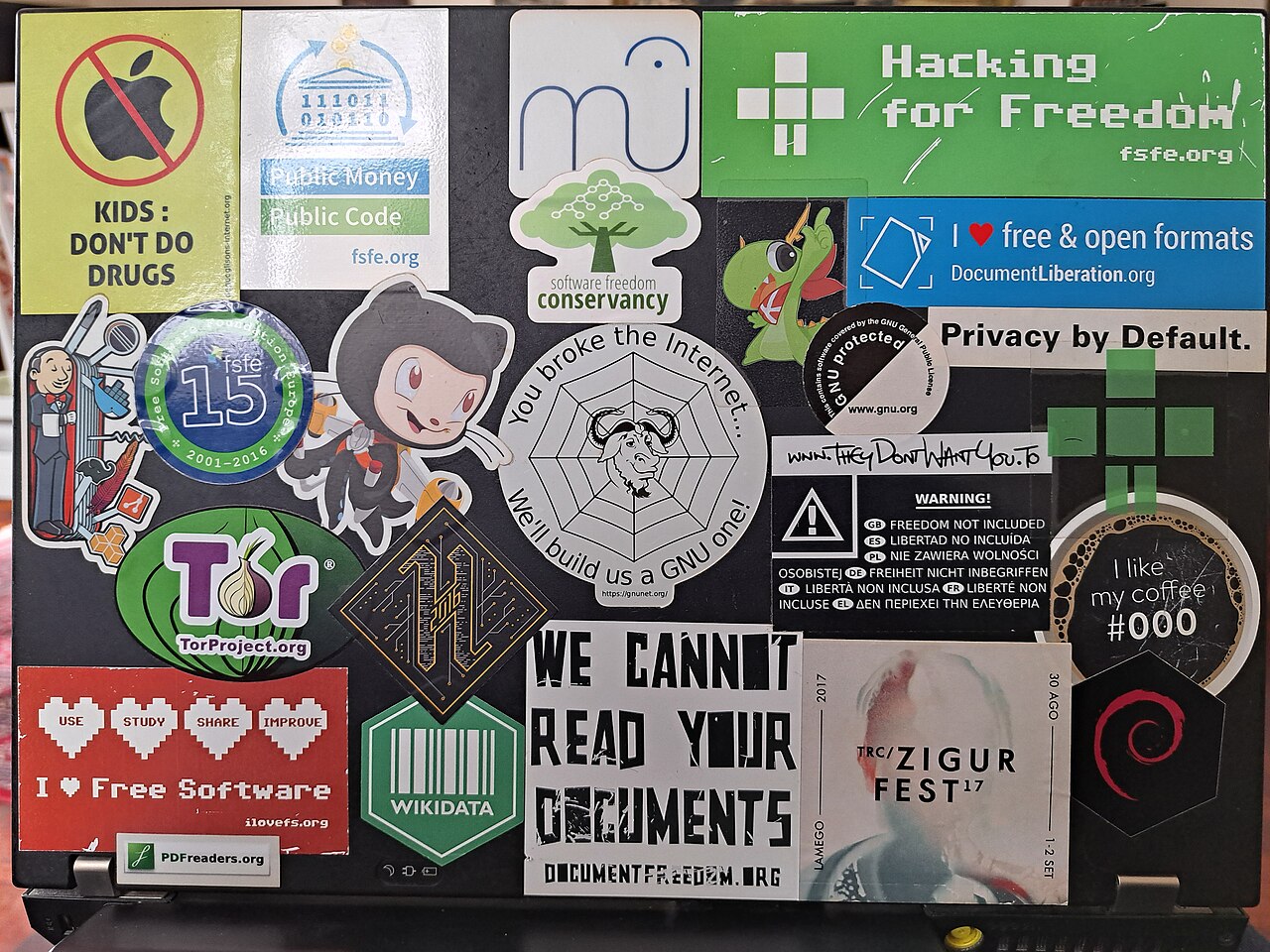

Put those three next to a mascot that arrived by purchase order and the difference is not quality. Plenty of commissioned characters are better drawn.
The difference is what the character proves.
A commissioned mascot is a claim. It says the people who make this product believe you might care about it enough to want a face on it. That claim might be right, and often is, but on the day it launches it is still a claim, and everybody can tell.
An adopted mascot is evidence. Somebody who was not being paid drew it, other people who were not being paid started using it, and the thing spread because it was worth carrying. By the time the project notices it has a mascot, the argument for the mascot has already been won in public. This is why open source projects with no marketing budget so regularly out-mascot funded companies. The budget was never the constraint. The evidence was.
You cannot buy that, which is the frustrating and true part.
What adoption costs is control, and the camel is the proof
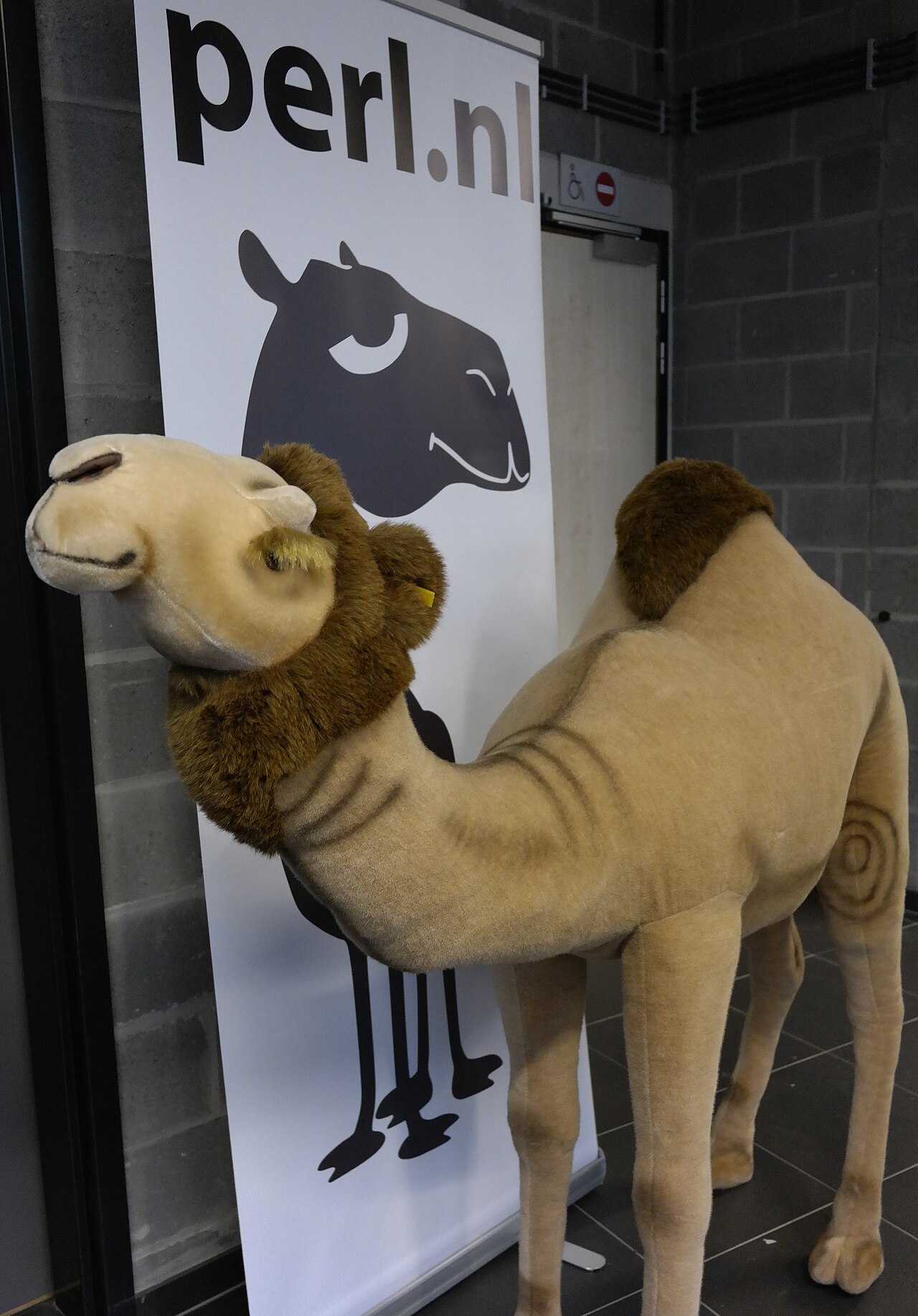

The counter-case in this story is Perl.
The Perl camel came from the cover of Programming Perl, the O’Reilly book, and O’Reilly registered it as a trademark in 1998. The company permits noncommercial use, which is generous and also beside the point. The community’s own symbol, the thing Perl programmers had used to mean themselves for a decade, belongs to a publisher. Developers have written open letters asking O’Reilly to free the camel. When Perl 6 became its own language it ended up with Camelia, a butterfly whose name is a nod to a camel it could not use.
That is what it looks like when the mascot and the community it represents have different owners. Nothing about it is malicious. It is the ordinary consequence of a character that was commissioned for a book rather than for a language, and it has shaped which images that community can put on which things for nearly thirty years.
Compare the alternatives. Ewing released the penguin with terms permissive enough that a hundred thousand derivative Tuxes exist. Ferris is public domain. The gopher is Creative Commons Attribution. Every one of those projects made the character takeable, and being takeable is most of why they got taken.
The license is part of the design
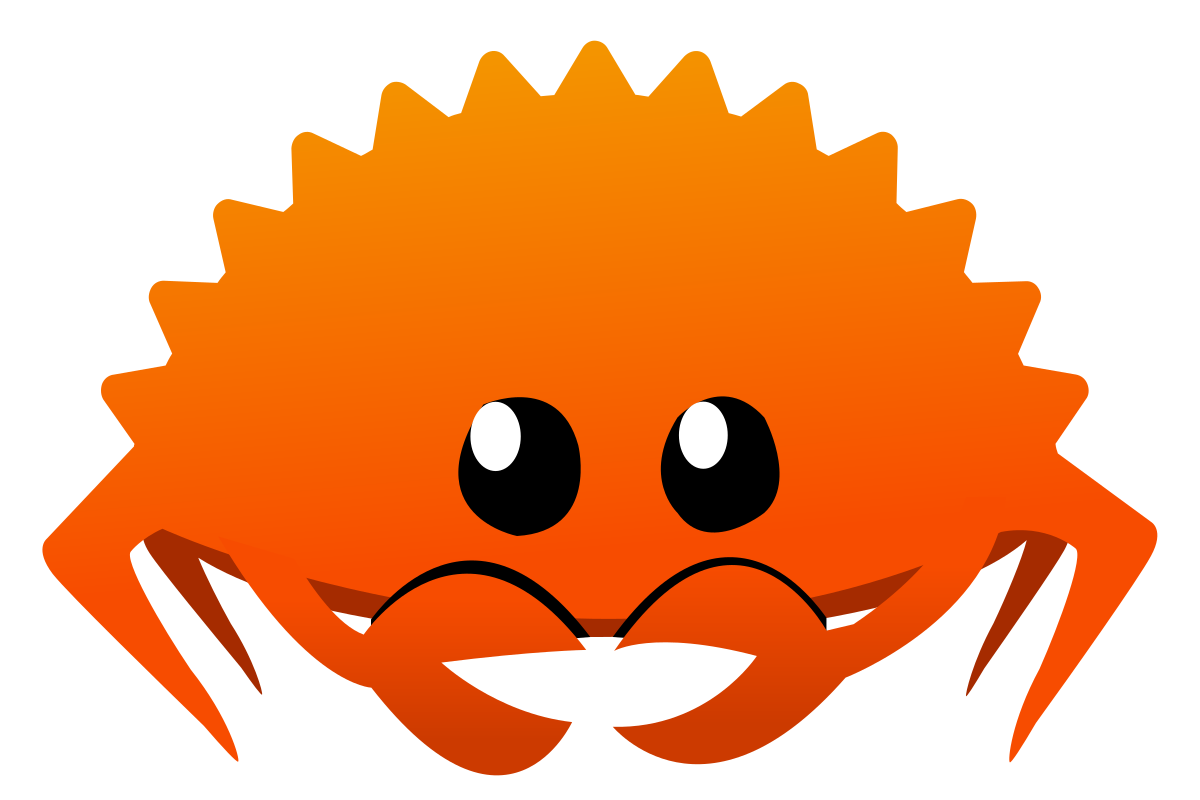

Which is the practical lesson hiding in all this, and it is the one most likely to be lost in a normal branding project.
There is a real tension inside any company that owns a character. The legal position that protects a trademark is control: approved uses, a portal, a request form, a policy on modification. The behaviour that makes a character spread is the opposite of control. Somebody has to be able to redraw your animal badly at one in the morning and print it on a sticker without asking anyone, or the sticker does not exist and neither does the affection that comes with it.
Both of those instincts are defensible and they point in opposite directions, and the decision usually gets made by whoever is in the room when the guidelines document is written. It is worth being in that room. A character with a generous license and a slightly messier trademark position will end up on more laptops than a beautifully protected one that requires an email.
Tux has been redrawn as a chef, a wizard, a zombie, a Christmas ornament and a great many things Larry Ewing did not authorise and never had to. Thirty years on, everyone still knows what it is. Protection was never what kept him alive.
We design characters made to be carried, including the licensing decisions that make that possible. Tell us where yours needs to travel.